Hannah Torrance
For many buyers, the search for an Adirondack retreat begins with a familiar question: Should we look for a camp on the water, or would a wooded cabin be a better fit?
Both options offer an appealing way to experience the Adirondacks, but they create distinctly different ownership experiences. A waterfront camp places swimming, paddling, boating, and fishing just outside the door. A wooded cabin may offer more privacy, more acreage, and a quieter connection to the surrounding forest. One tends to make the water the center of daily life, while the other often emphasizes seclusion, trails, wildlife, and the character of the land itself.
The decision is not simply about which setting looks more impressive in photographs. It also involves cost, maintenance, access, privacy, recreation, seasonal use, and the way you expect family and friends to spend their time at the property.
As you weigh the possibilities, browse current Adirondack cabin and camp listings to see how widely properties can vary in setting, size, condition, and amenities. The right choice is the one that best reflects how you want to experience life in the Adirondacks.
Begin With the Experience You Want
Before comparing individual listings, imagine a typical day at your future camp.
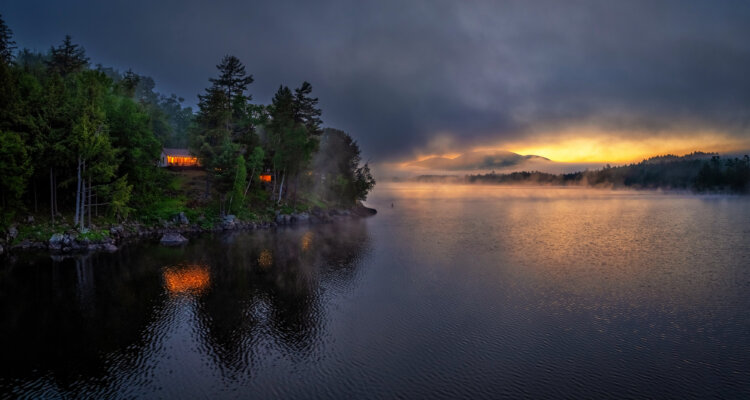
At a waterfront property, mornings might begin with a swim, a paddle, or coffee on the dock. Children and guests may spend much of the day moving between the camp and the shoreline. Boats, fishing gear, life jackets, towels, and water shoes naturally become part of the rhythm of the property.
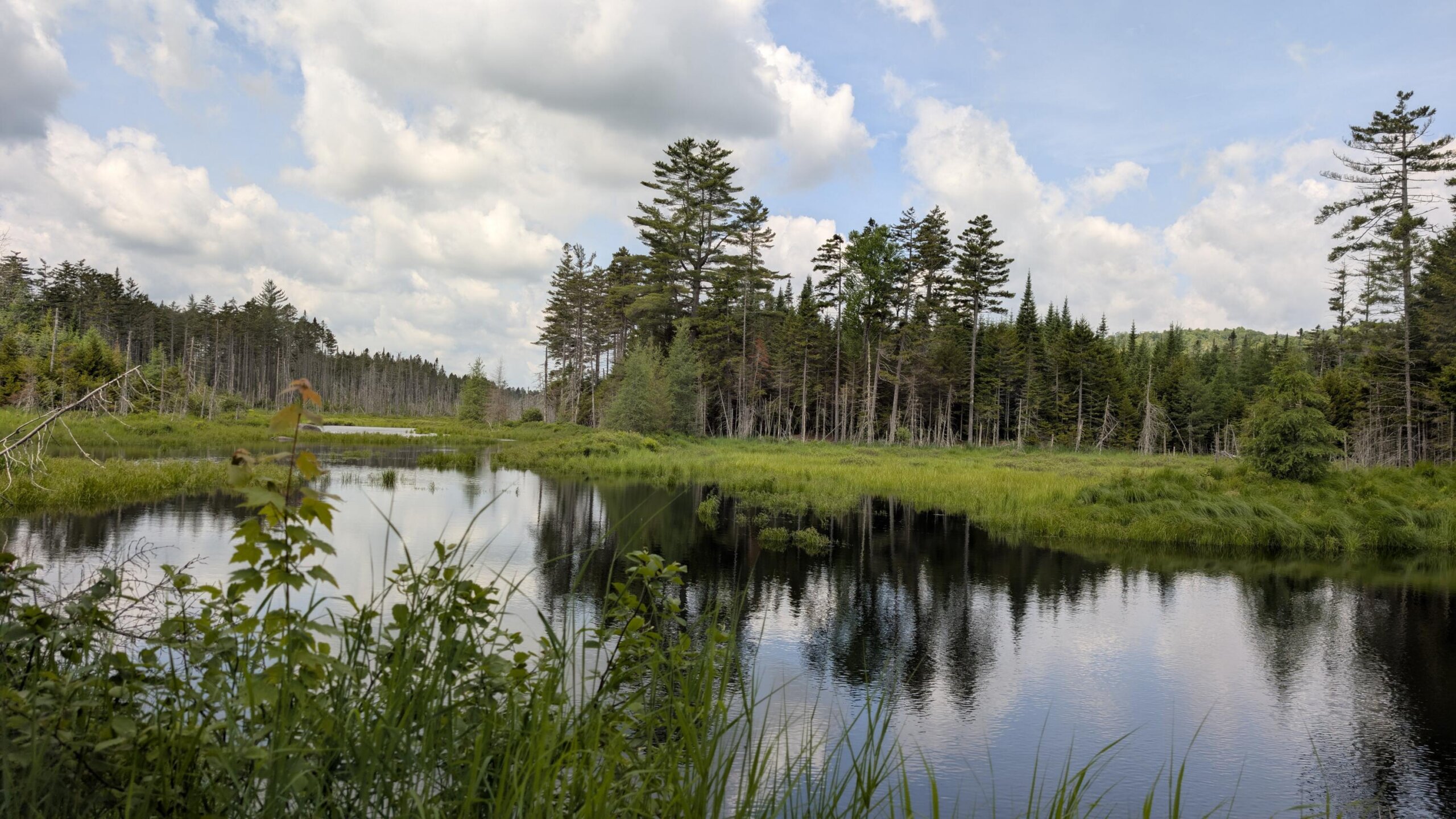
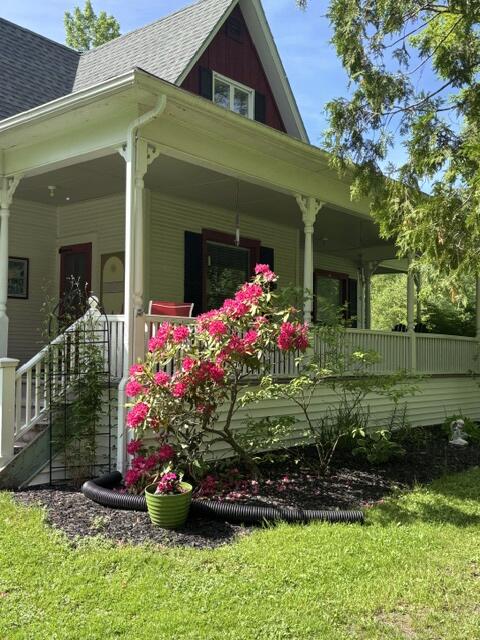
At a wooded cabin, the experience may center on a quiet porch, walking trails, mountain views, wildlife, and the sense of being surrounded by forest. Instead of watching activity on the lake, you may hear little beyond wind in the trees, birds, and the occasional passing vehicle.
Ask yourself which moments feel most important:
- Walking directly from the camp to the water
- Launching a canoe or kayak without driving anywhere
- Having room for trails, gardens, or outdoor projects
- Enjoying a strong sense of seclusion
- Hosting family members who want to swim or boat
- Spending quiet weekends hiking, reading, or watching wildlife
- Being close to a lively lake community
- Feeling removed from neighboring activity
Neither setting automatically provides the perfect Adirondack experience. The value of each depends on which features you will use most often.
What Defines an Adirondack Waterfront Camp?
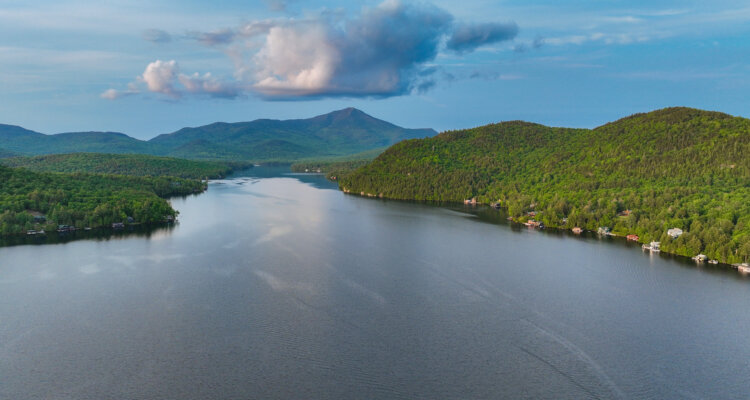
An Adirondack waterfront camp is typically a cabin, seasonal home, or year-round residence with direct frontage on a lake, pond, river, or other body of water. The character of these properties can vary dramatically.
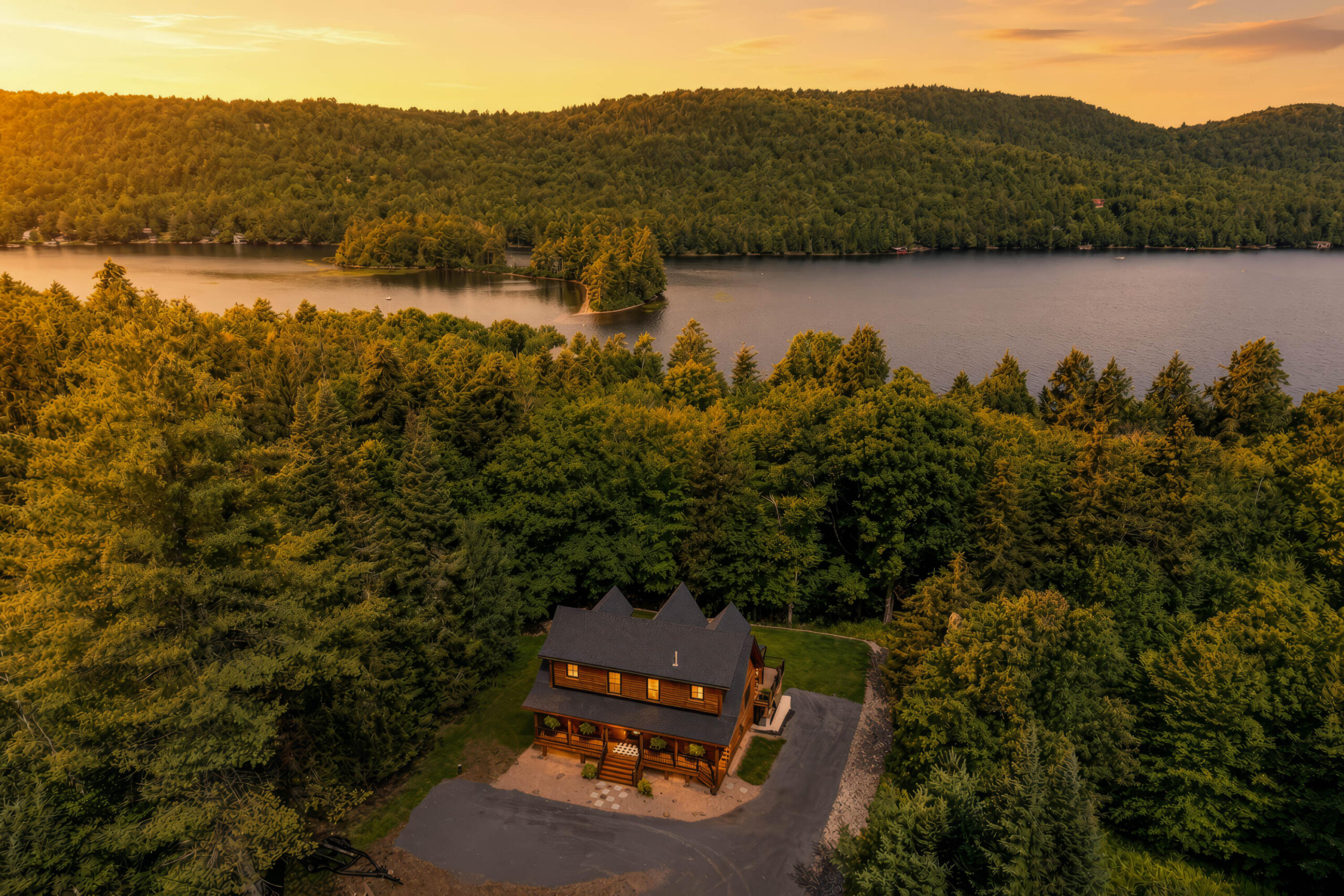
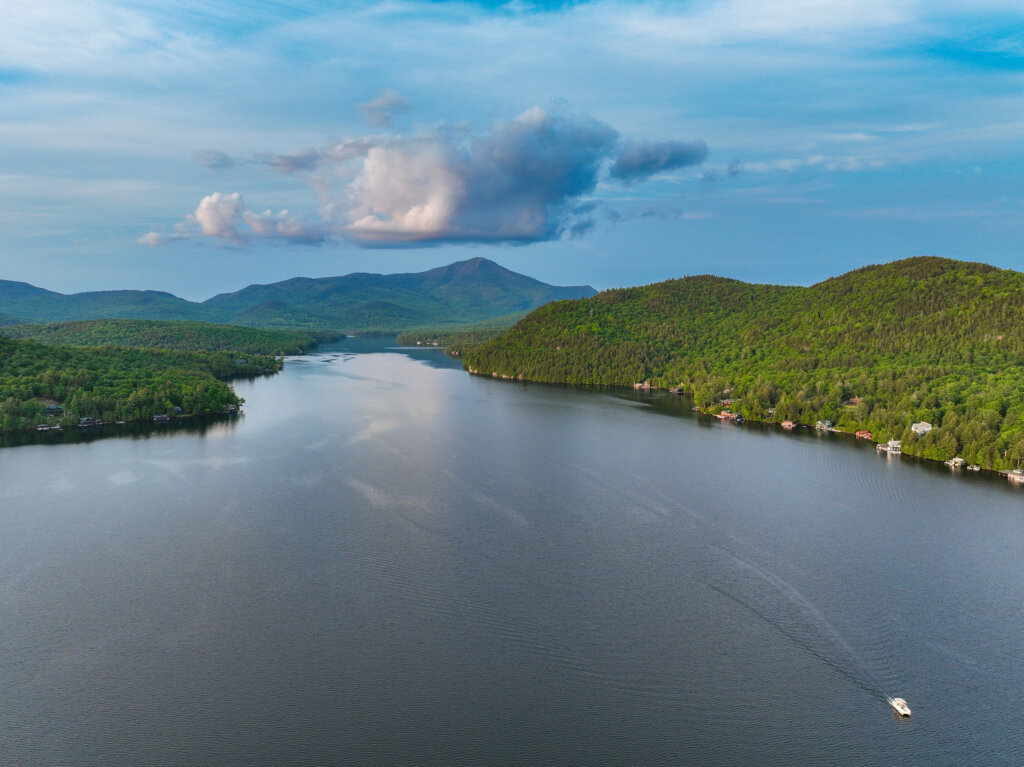
Some camps sit close to the shoreline with level lawns and easy access to a dock. Others occupy elevated parcels with long staircases leading to the water. A property may overlook a broad lake suitable for motorized boating, a quiet pond better suited to paddling, or a protected cove that feels private even within a larger body of water.
Buyers interested in this lifestyle can explore current Adirondack waterfront properties across a wide range of lakes and communities. It is important to remember, however, that “waterfront” is only the beginning of the description.
The experience depends on details such as:
- The type of waterbody
- The amount and character of the frontage
- Water depth
- Swimming conditions
- Shoreline slope
- Wind and sun exposure
- Boat traffic
- Dock and boathouse arrangements
- Distance between the camp and the water
Two camps on the same lake can offer entirely different waterfront experiences. One may have deep water and a large dock, while another offers a shallow sandy entry that is better suited to young children. One may face open water and receive afternoon sun, while another sits in a quiet wooded cove.
What Defines a Wooded Adirondack Cabin?
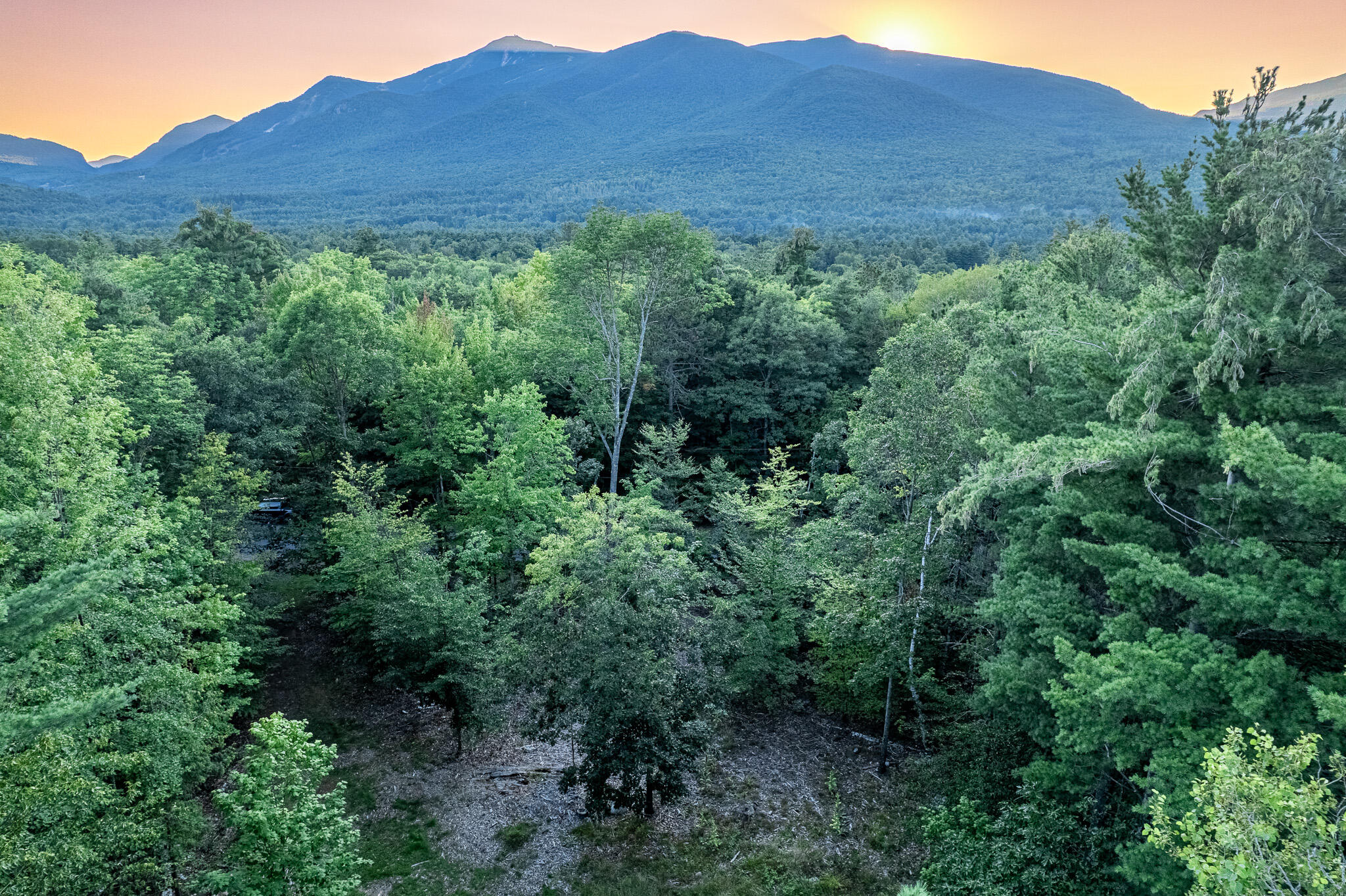
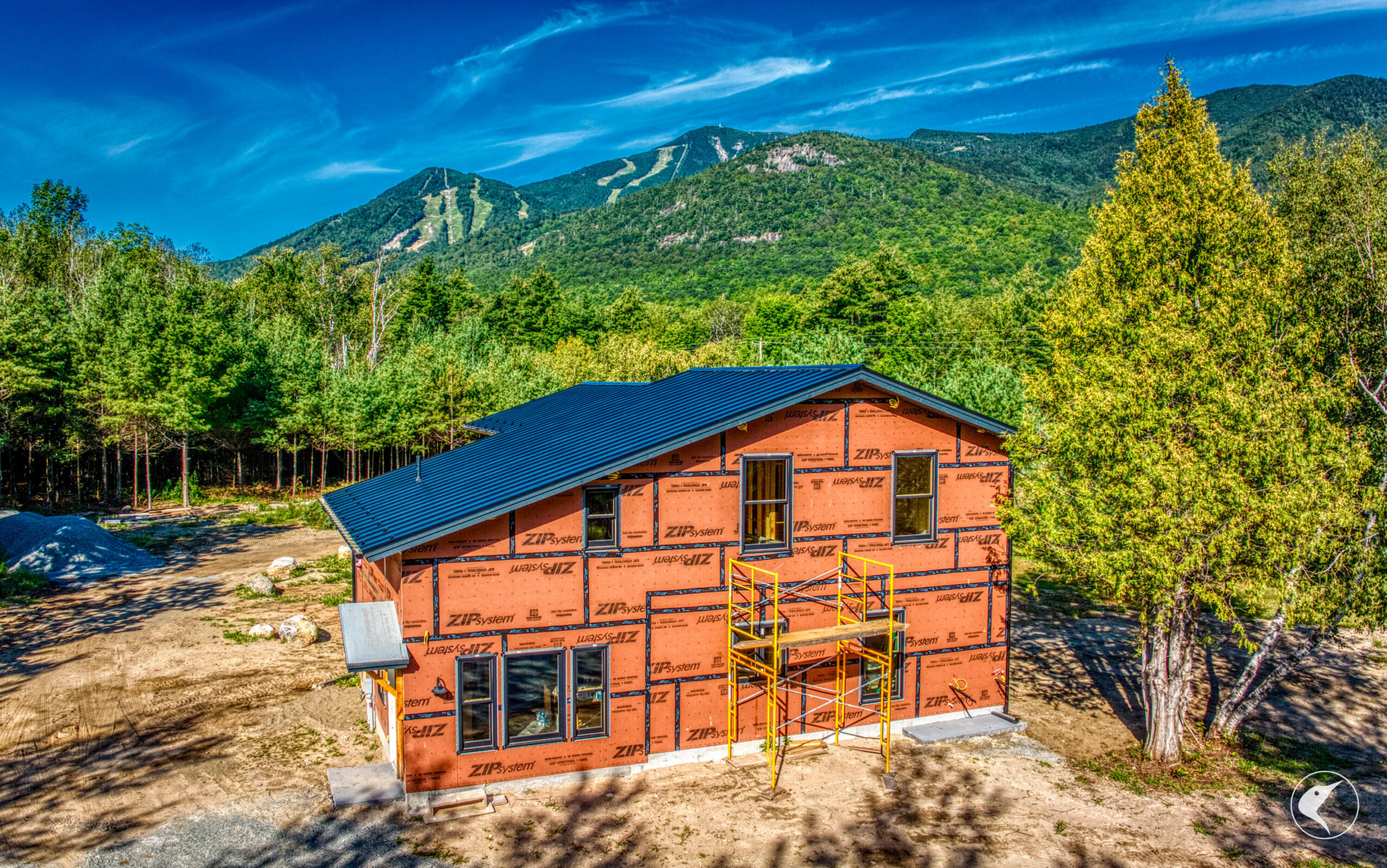
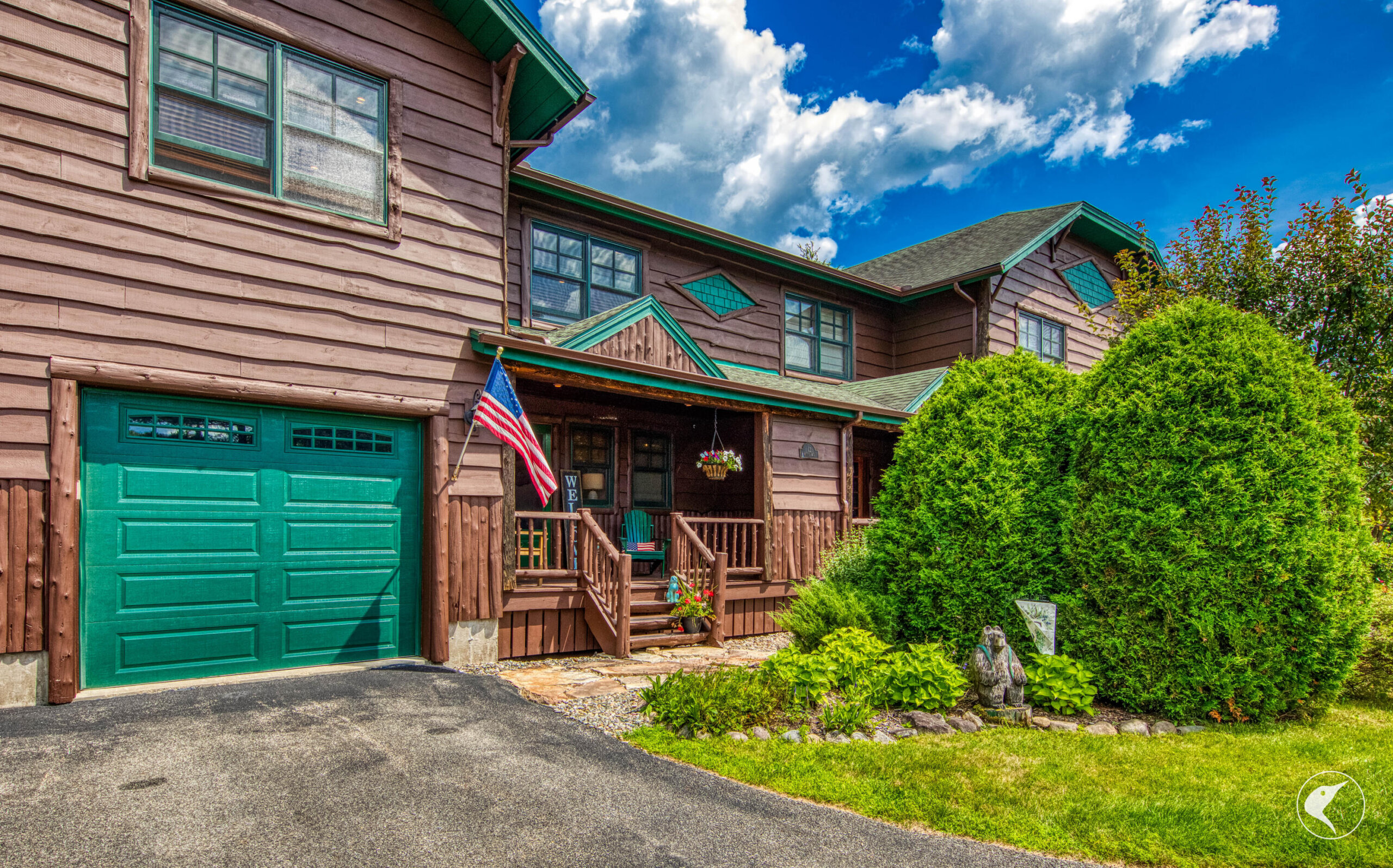
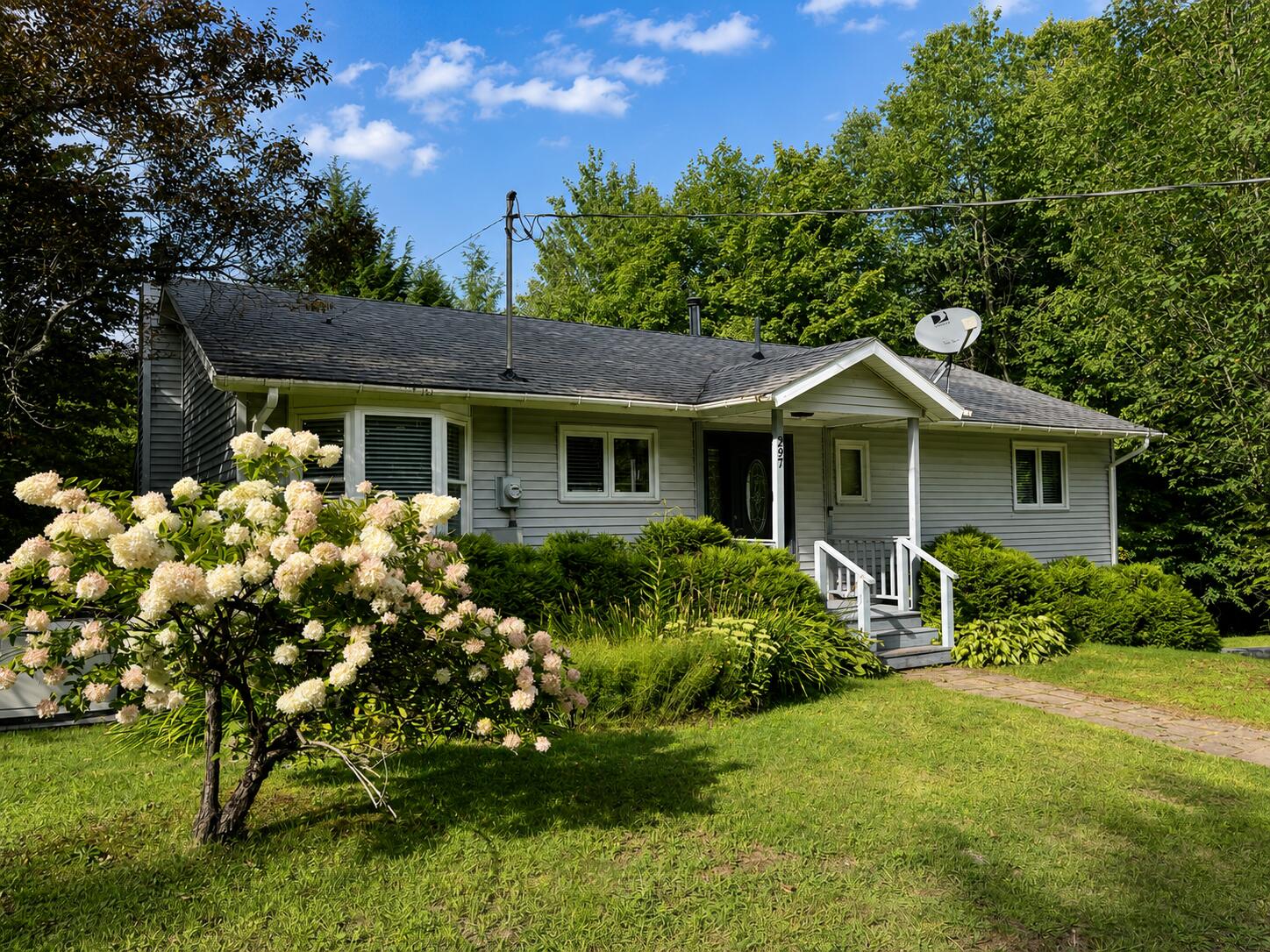
A wooded cabin typically places the forest, acreage, privacy, or mountain setting at the center of the experience rather than direct access to the water.
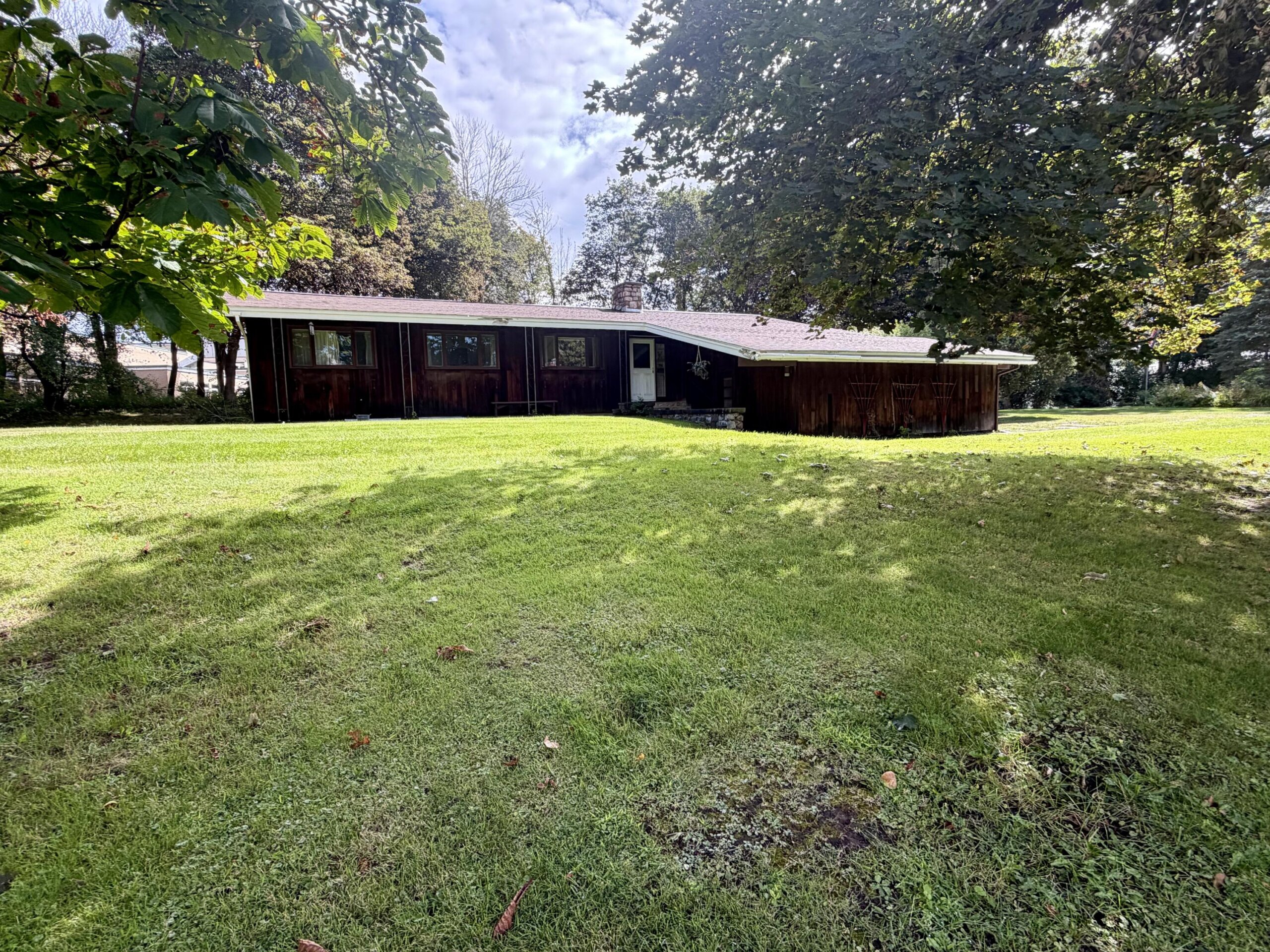
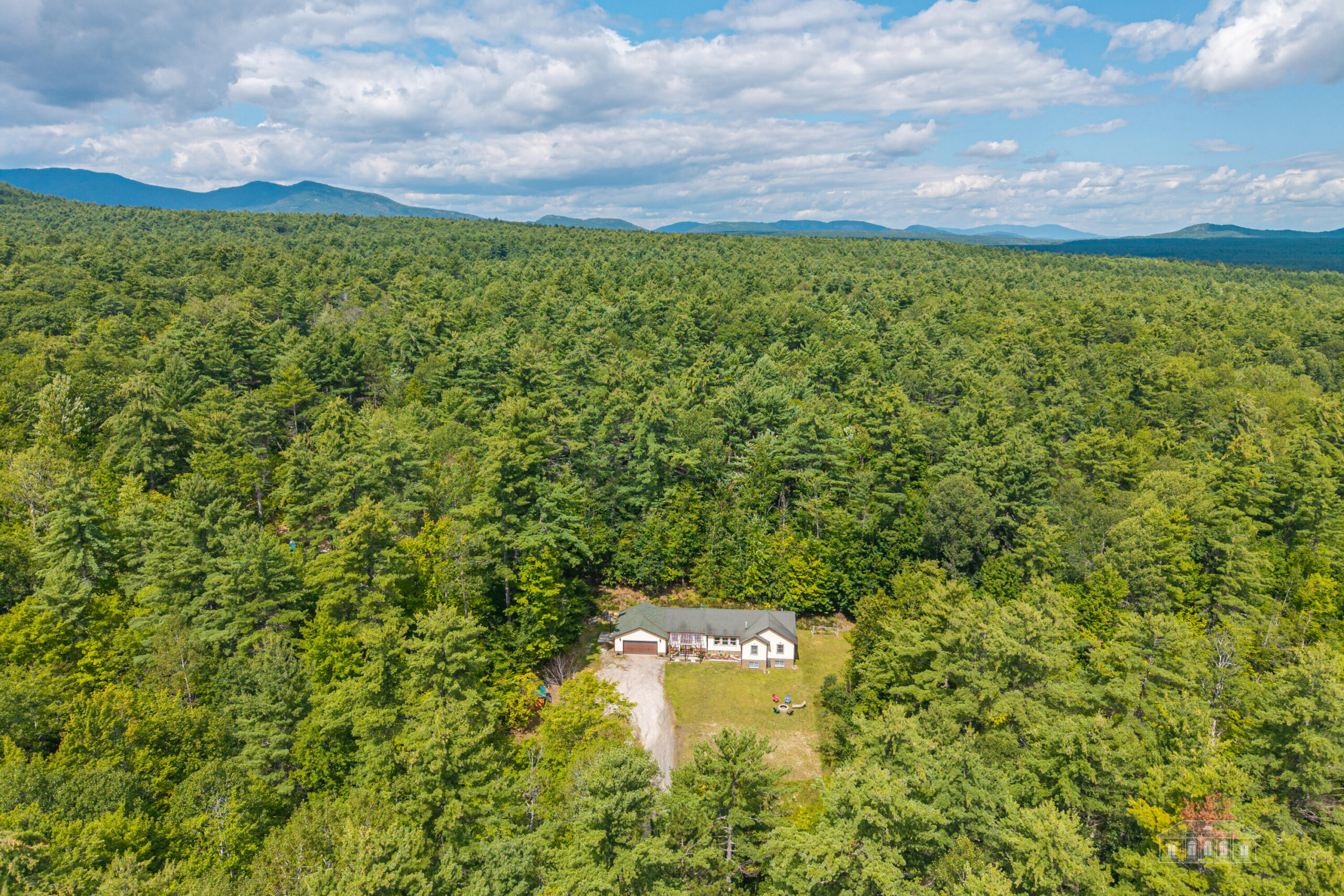
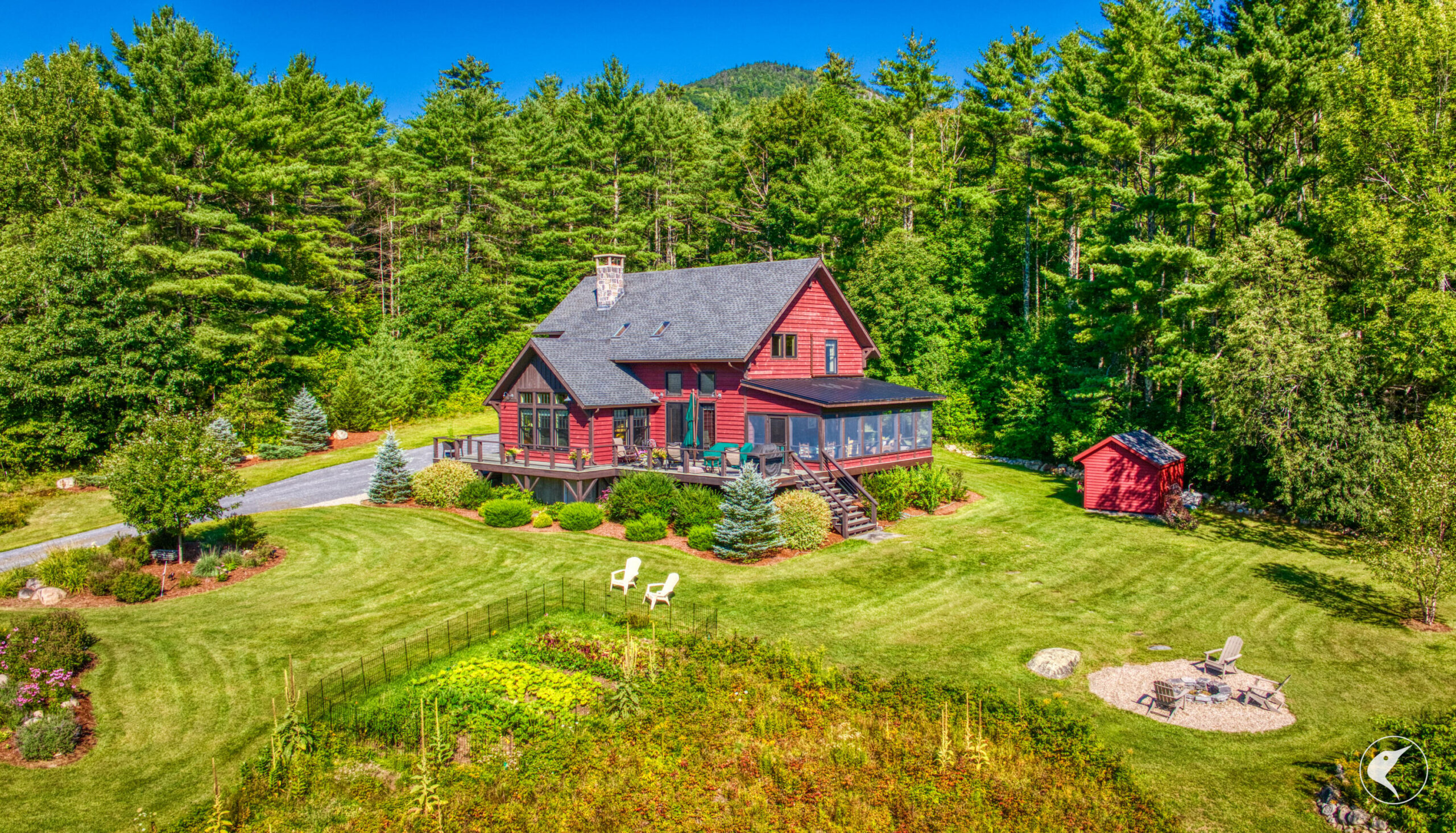
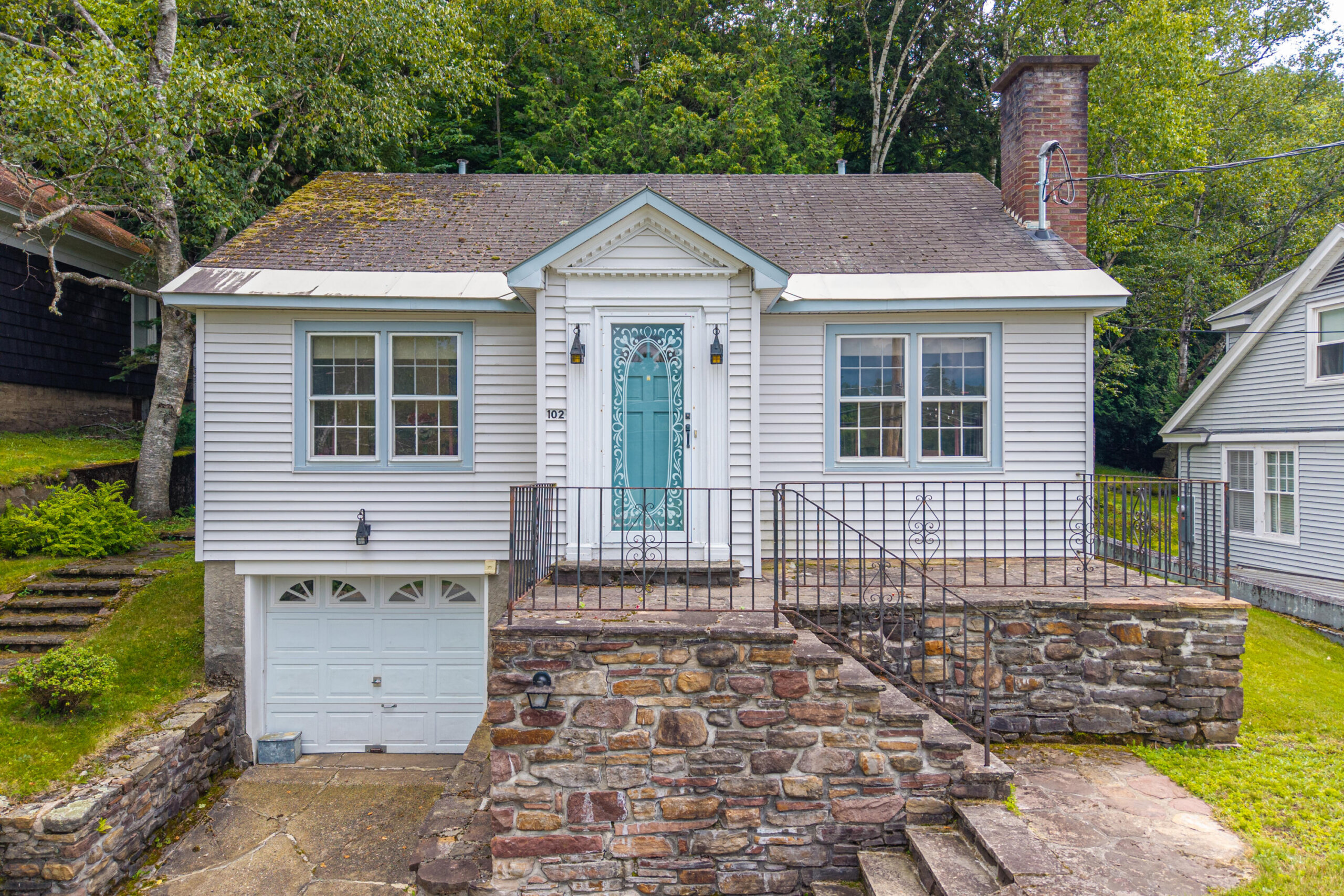
These properties may range from compact cabins on modest lots to homes surrounded by many acres. Some are close to town but screened by trees, while others are located on quiet roads with very few nearby neighbors. A wooded property may include streams, trails, wetlands, rock outcroppings, clearings, or views that are not immediately visible from the road.
Buyers who value space may also want to review available ADK land listings to understand how acreage, terrain, access, and location affect the possibilities for a wooded retreat.
The appeal often lies in features such as:
- Greater separation from neighbors
- Room for trails or outdoor recreation
- Wildlife and natural surroundings
- More flexibility in choosing lot size
- A quieter atmosphere
- Potential for outbuildings or additional outdoor uses
- Less shoreline-specific upkeep
- A stronger feeling of retreat
A wooded cabin does not necessarily mean complete isolation. Some are located only minutes from village amenities, public beaches, boat launches, or trailheads. For buyers who want both privacy and access to recreation, that combination can be especially attractive.
Compare the Day-to-Day Lifestyle
The biggest difference between the two property types may be how naturally each one shapes your time.
At a waterfront camp, the lake often becomes the default activity. Guests gather on the dock, children swim, and boats or paddling equipment are usually close at hand. Even a quiet afternoon tends to be oriented toward the view and the shoreline.
This can be ideal for buyers who know they will use the water frequently. Direct access removes the need to load equipment into a vehicle, drive to a launch, find parking, and transport everything home at the end of the day.
A wooded cabin offers a less structured outdoor experience. You may walk the property, explore nearby trails, sit around a fire, or simply enjoy the privacy of the setting. The land itself becomes the recreational space.
Consider whether your preferred activities depend on direct waterfront access:
- Swimming
- Boating
- Fishing
- Paddling
- Dockside entertaining
- Watching activity on the lake
Then compare those with activities that may be equally or better suited to a wooded setting:
- Hiking
- Wildlife viewing
- Snowshoeing
- Cross-country skiing
- Gardening
- Trail building
- Outdoor projects
- Quiet relaxation away from busier recreation areas
Buyers who expect to spend nearly every visit on the water may find direct frontage difficult to replace. Those who enjoy many different forms of outdoor recreation may discover that a wooded cabin offers greater flexibility.
Think Carefully About Privacy
Waterfront camps are often associated with peace and seclusion, but the actual level of privacy varies considerably.
A shoreline may be visible from neighboring camps, passing boats, public launches, or homes across the water. Popular lakes can become active during summer weekends, particularly near marinas, restaurants, beaches, or heavily traveled boating routes.
That activity can be part of the appeal. Some buyers enjoy seeing boats pass, hearing families on the water, and feeling connected to a seasonal lake community. Others prefer a quieter atmosphere.
Wooded cabins often provide stronger visual separation from neighbors, especially when they sit on larger parcels. Trees, changes in elevation, and longer driveways can create a sense of privacy even when other homes are relatively close.
However, wooded does not always mean secluded. A small lot may offer less privacy in winter after leaves fall, and sound can travel farther than expected through the forest. When touring either type of property, spend time outside and pay attention to:
- Visibility from neighboring homes
- Road noise
- Boat traffic
- Nearby public access
- Distance between structures
- Seasonal changes in screening
- Shared driveways or common areas
- Lighting from surrounding properties
Privacy is difficult to evaluate from listing photographs alone. Visiting the property at different times, when possible, can provide a clearer sense of its surroundings.
Compare Purchase Priorities and Tradeoffs
Direct waterfront is a limited resource, and buyers often pay a premium for it. That can affect the compromises required elsewhere in the purchase.
A waterfront buyer may choose a smaller camp, less acreage, an older interior, or a more compact lot in order to secure the right shoreline. For many people, that is a worthwhile trade because the location is the feature they cannot recreate later.
A wooded cabin at a similar price point may offer:
- More living space
- More acreage
- Greater privacy
- Newer construction
- Additional outbuildings
- Easier parking
- Fewer shoreline-specific concerns
This does not mean wooded properties are always less expensive, particularly when they include extensive acreage, mountain views, high-end improvements, or desirable locations. The important point is that the same budget may buy a different combination of attributes.
Before deciding, rank your priorities. Determine whether direct water access is essential, strongly preferred, or simply appealing. Buyers who treat every desired feature as mandatory may struggle to narrow the search, while those who identify one or two defining priorities can compare properties more effectively.
Understand Waterfront Maintenance
Waterfront ownership can be deeply rewarding, but it generally adds another layer of maintenance.
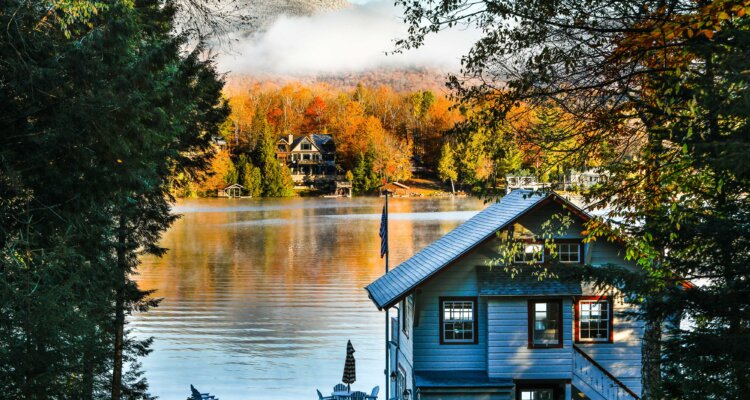
Docks may need to be installed, removed, repaired, or adjusted. Stairs and paths leading to the shoreline require care. Boathouses, decks, retaining walls, and other waterfront structures are exposed to moisture, ice, sun, and changing water levels.
Shoreline vegetation and erosion also deserve attention. A heavily altered shoreline may require different maintenance than one with mature natural vegetation. Buyers should understand what currently exists, how it has been maintained, and whether any improvements have been documented.
Common waterfront responsibilities may include:
- Dock inspection and repair
- Seasonal dock installation or removal
- Stair and railing maintenance
- Shoreline erosion monitoring
- Boathouse upkeep
- Managing leaves, debris, or aquatic growth
- Winter preparation
- Maintaining paths between the camp and the water
Properties on different lakes can have very different needs. A camp on Upper Saranac Lake may present a different setting and exposure than one on Lake Flower, Long Lake, or Big Tupper Lake.
The goal is not to avoid maintenance, but to understand whether the responsibilities match the amount of time and effort you want to devote to the property.
Understand Wooded-Property Maintenance
A wooded cabin may not require dock or shoreline care, but it comes with its own set of responsibilities.
Trees close to the structure should be monitored for damage, disease, or unsafe limbs. Long gravel driveways may require grading and drainage work. Remote parcels may need more frequent attention after windstorms, heavy snow, or spring runoff.
Dense vegetation can also limit sunlight and airflow around the cabin, which may contribute to damp conditions if the property is not maintained. Trails, clearings, fire pits, and outdoor gathering spaces require upkeep if you want to keep them accessible.
Typical wooded-property maintenance may include:
- Tree and limb management
- Driveway grading
- Culvert and drainage maintenance
- Brush clearing
- Trail upkeep
- Snow removal
- Monitoring wildlife access points
- Maintaining outbuildings
- Managing leaves and forest debris near the cabin
The amount of work depends heavily on the parcel. A compact wooded lot close to town may be relatively simple to maintain, while a remote property with a long private road and extensive acreage can require considerably more planning.
Consider Access in Every Season
Access can influence enjoyment more than buyers initially expect, whether the property is waterfront or wooded.
Some waterfront camps are located on private roads, islands, or seasonal routes. Others are easy to reach year-round. A wooded cabin may sit directly on a publicly maintained road or several miles down a private drive.
Do not assume that waterfront properties are more difficult to access or that wooded cabins are automatically remote. Evaluate each property individually.
Questions to ask include:
- Is the road public, private, or seasonal?
- Who plows and maintains it?
- Is there a written road-maintenance agreement?
- How steep is the driveway?
- Can delivery and emergency vehicles reach the camp?
- Is access affected by spring mud, flooding, or heavy snow?
- Are any bridges, gates, ferries, or shared roads involved?
- How far is the property from essential services?
Buyers planning to use a camp throughout the winter should pay particular attention to road maintenance, heating systems, plumbing, and the time required to reach the property in poor weather.
Decide How Much Community You Want
The location of the property may determine whether ownership feels highly social, deeply private, or somewhere in between.
Some lake communities have a strong seasonal culture. Neighbors know one another, families return year after year, and much of the activity takes place on the water. For buyers who enjoy connection and tradition, this can become one of the most rewarding aspects of ownership.
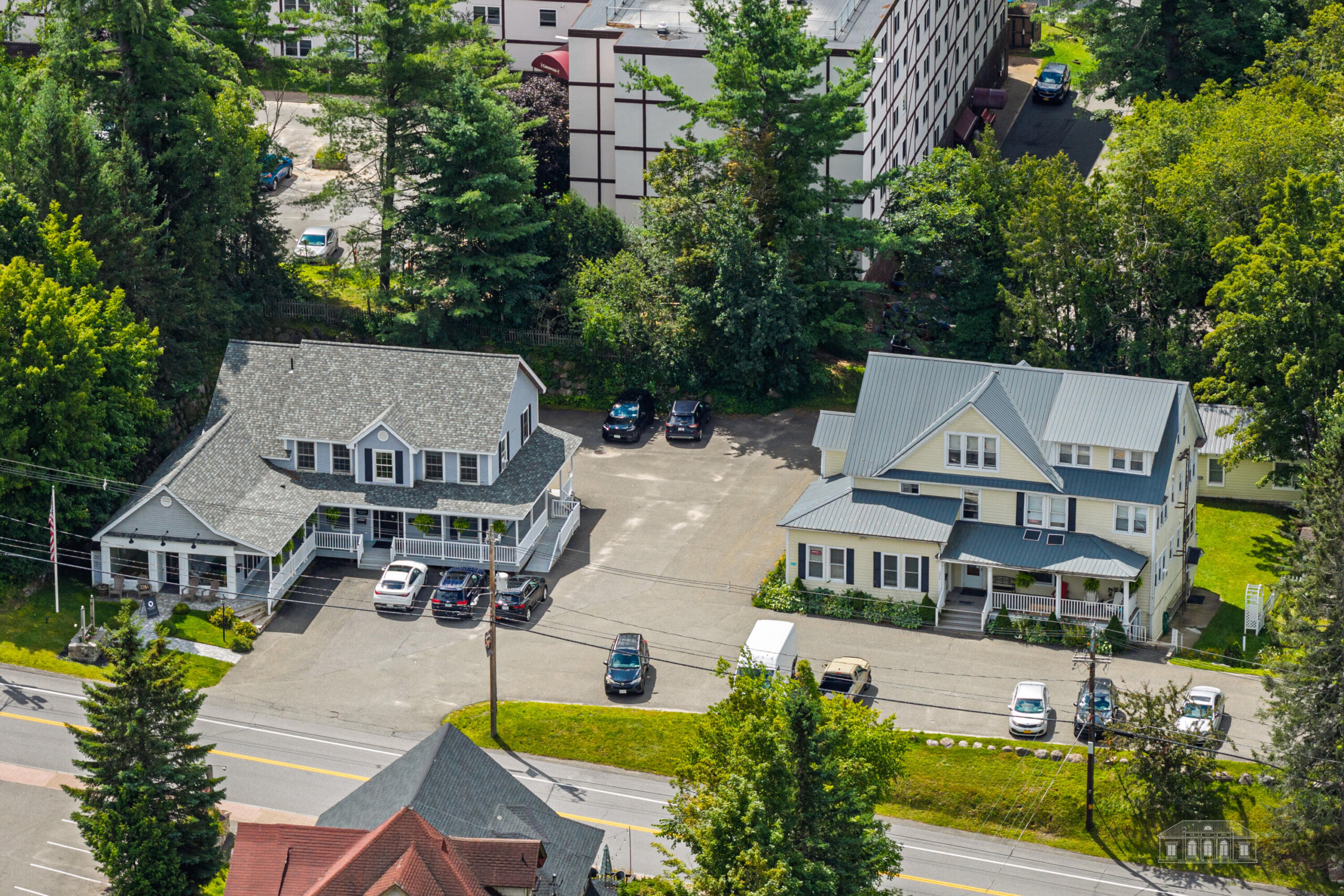
Wooded cabins may offer more separation, but they can still be close to active villages and recreational centers. A property near Lake Placid may combine wooded privacy with convenient access to dining, events, skiing, and shopping. Areas around Saranac Lake and Tupper Lake offer their own combinations of community life, outdoor recreation, water access, and quieter surrounding locations.
Consider how you expect to spend your evenings and weekends. Do you want to walk or drive into town for dinner? Would you rather stay at the property once you arrive? Do you want neighbors nearby, or would you prefer not to see another home from the porch?
The broader collection of Adirondack towns and communities can help you compare locations before deciding which setting best fits your plans.
Think About Family and Guests
A camp often becomes a gathering place, so it is useful to think beyond your own preferences.
Waterfront properties can be especially appealing to families with children, boaters, anglers, and guests who enjoy spending full days outside. At the same time, steep shorelines, deep water, docks, and boating activity may require closer supervision or may not suit every visitor.
A wooded cabin may offer more room for pets, games, trails, and outdoor gatherings away from the water. It may also provide easier parking or more space for future guest accommodations, depending on the parcel.
Think about who will visit most often:
- Young children
- Older relatives
- Friends with boats
- Guests with limited mobility
- Pets
- Large family groups
- Winter visitors
- People who prefer town amenities to outdoor recreation
A dramatic property may be less practical if key guests cannot comfortably use the terrain, reach the water, or navigate the driveway. The strongest choice usually supports the people and activities that matter most.
Evaluate Rental Potential Carefully
Some buyers hope to rent their camp when they are not using it. Waterfront properties often attract strong vacation interest, but setting alone does not determine whether a property is appropriate for rental use.
Location, access, sleeping capacity, parking, condition, amenities, local requirements, and ownership goals all matter. A wooded cabin near popular trails, ski areas, lakes, or village attractions may also appeal to visitors seeking privacy and a traditional Adirondack atmosphere.
Before making rental income part of your decision, consider:
- Whether rentals are permitted
- Local rules or association restrictions
- Insurance requirements
- Septic capacity
- Parking
- Cleaning and property management
- Guest access in winter
- Waterfront and boating safety
- The amount of personal time you want to reserve
Rental plans should be evaluated carefully rather than assumed. The primary question remains whether you would be happy owning and using the property even if rental activity were more limited than expected.
Consider Long-Term Flexibility
Your ideal camp today may need to accommodate different priorities in the future.
A seasonal waterfront camp may eventually need upgrades for longer stays. A remote wooded cabin may feel perfect for weekend use but become less convenient if you later want to spend several months there. Stairs to the shoreline, steep terrain, long private roads, and extensive acreage may feel different as family needs change.
Think about potential future uses:
- Longer seasonal stays
- Retirement
- Remote work
- Hosting more family members
- Adding a garage or guest space
- Improving year-round access
- Reducing maintenance
- Selling the property later
A property does not need to anticipate every possible change. It should, however, offer enough flexibility to remain enjoyable if your use evolves.
Which Buyers Often Prefer Waterfront Camps?
A waterfront camp may be the better fit for buyers who consider direct water access essential rather than optional.
It may suit you well when:
- Swimming, boating, fishing, or paddling will define most visits
- You want water views from the camp
- You expect to entertain around a dock or shoreline
- You are comfortable with seasonal waterfront maintenance
- You are willing to prioritize frontage over acreage or interior size
- You value the social atmosphere of a lake community
- You want recreation available without driving elsewhere
For the right buyer, the convenience and experience of direct waterfront can outweigh nearly every other compromise.
Which Buyers Often Prefer Wooded Cabins?
A wooded cabin may be the stronger choice for buyers who place greater value on privacy, land, flexibility, or a quieter setting.
It may suit you well when:
- You want more space between neighbors
- Hiking, wildlife, or forest surroundings matter more than boating
- You would prefer more acreage or a larger cabin for your budget
- You want fewer shoreline-specific maintenance demands
- You enjoy outdoor projects, trails, gardens, or outbuildings
- You are comfortable driving to public water access
- Seclusion is one of your highest priorities
For many buyers, a wooded cabin provides the traditional retreat they imagined without requiring direct frontage.
There May Be a Middle Ground
The choice does not always have to be absolute.
Some wooded cabins are located near public beaches, boat launches, or deeded access points. Others overlook water without having direct frontage. A property may sit on a quiet pond rather than a major lake, providing paddling and views without the activity associated with busier waterways.
Likewise, some waterfront camps occupy large, wooded parcels that offer both privacy and direct access. These properties may be less common, but they demonstrate why buyers should avoid assuming that every listing fits neatly into one category.
A knowledgeable local agent can help identify alternatives such as:
- Wooded cabins close to public launches
- Homes with shared or deeded water access
- Properties near rivers or smaller ponds
- Camps with water views but no direct frontage
- Waterfront properties with substantial acreage
- Cabins close to town but screened by forest
Keeping an open mind can reveal options that satisfy the most important parts of both lifestyles.
Choose the Property That Supports Your Adirondack Life
A waterfront camp and a wooded cabin can both provide an extraordinary Adirondack experience. The better choice depends less on which property type sounds more prestigious and more on how you will actually spend your time.
Choose waterfront because you will use the water, not simply because it makes an impressive first impression. Choose a wooded setting because you value the land and privacy, not merely because it may offer more space. In either case, evaluate the structure, access, utilities, maintenance responsibilities, and community as carefully as the scenery.
When you are ready to compare the options, explore current ADK cabins and camps for sale and available waterfront homes and camps through Merrill L. Thomas, Inc.
Our licensed real estate professionals can help you understand how properties differ across the region and identify the setting that best matches your plans. For new listings, Adirondack market insights, and regional living ideas, use the Newsletter Signup button at the top of the Merrill L. Thomas, Inc. homepage.
Related Topics:
Camps & Cabins