Bytes.co Burlington
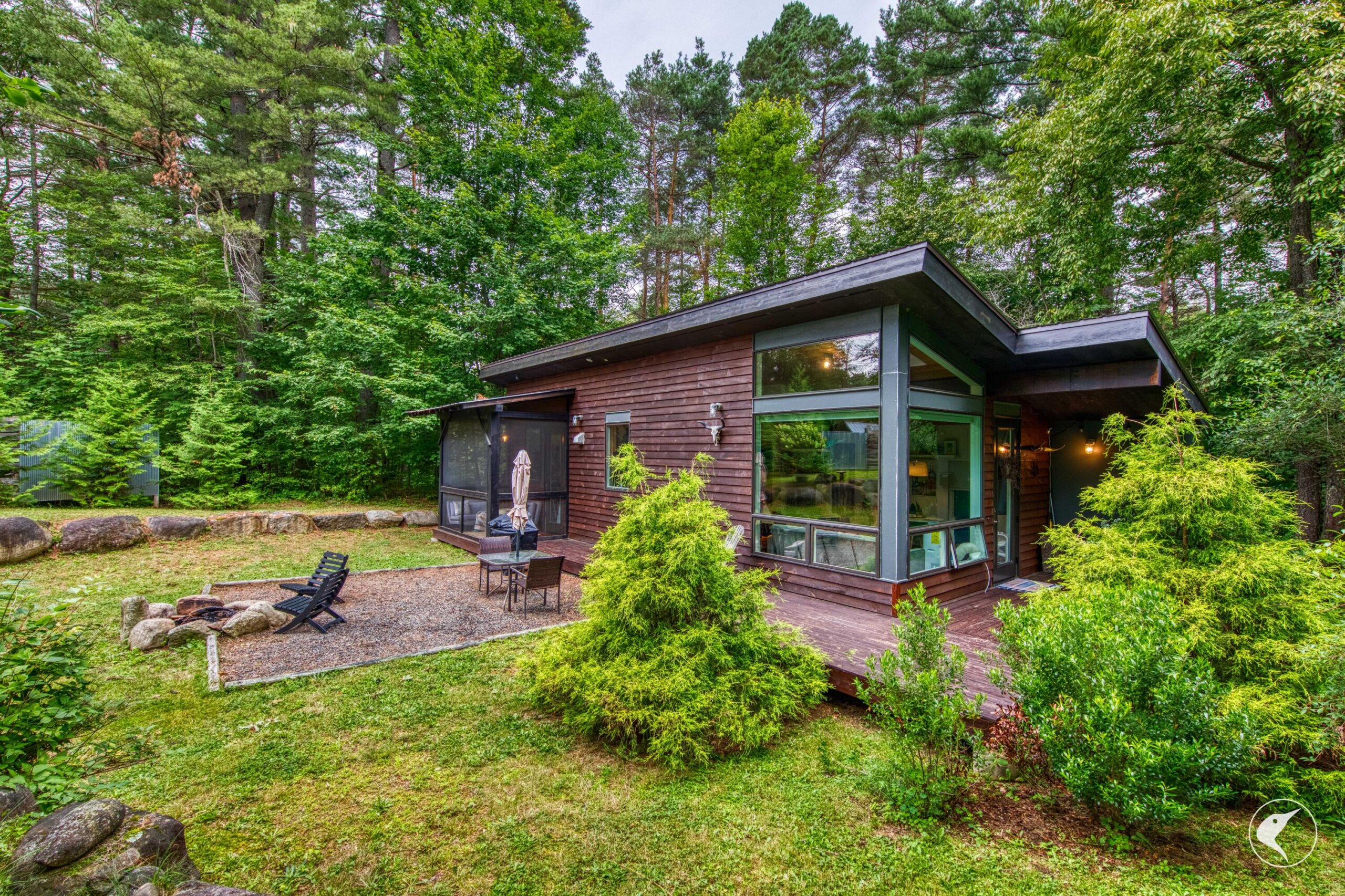
Buying an Adirondack camp is an exciting experience, but it’s also one of the largest financial and lifestyle investments many people will ever make. While professional inspections play a critical role before closing, your own observations during a showing can help you determine whether a property deserves a closer look—or whether it may not be the right fit.
Unlike a traditional suburban home, an Adirondack camp often includes features that require additional attention. Private wells, septic systems, waterfront improvements, wooded acreage, seasonal access, and unique terrain all deserve careful consideration. A beautiful lake view or charming rustic interior can sometimes distract buyers from asking the practical questions that matter most.
That’s why it helps to arrive prepared.
Whether you’re touring your first property or your fifteenth, this checklist will help you evaluate each camp consistently so you can compare properties with confidence. As you begin your search, browse the latest selection of Adirondack cabins and camps for sale from Merrill L. Thomas, Inc.
Before You Leave Home
A successful showing begins before you arrive at the property.
Many buyers spend most of their visit admiring views or imagining furniture placement, only to realize afterward that they forgot to check important details. Having a simple plan keeps you focused while still allowing you to enjoy the experience.
It also helps to review the property listing before your appointment so you understand the advertised features, acreage, waterfront description, and utility information. This allows you to verify those details during your visit instead of seeing them for the first time.
Consider bringing:
- A flashlight
- Comfortable walking shoes or boots
- A tape measure
- A fully charged phone
- A notebook or note-taking app
- A camera if you prefer photos separate from your phone
- A printed copy of the listing (optional)
If you’re touring multiple properties in one day, taking notes immediately after each showing will make it much easier to remember the differences later.
Start With the Surroundings
Before walking inside, spend several minutes looking at the property as a whole.
Many buyers head straight for the front door, but the setting often tells you just as much about ownership as the cabin itself. Observe how the camp sits on the land, how neighboring properties relate to it, and how the driveway and surrounding terrain appear.
Ask yourself whether the property feels consistent with the lifestyle you’re hoping to create.
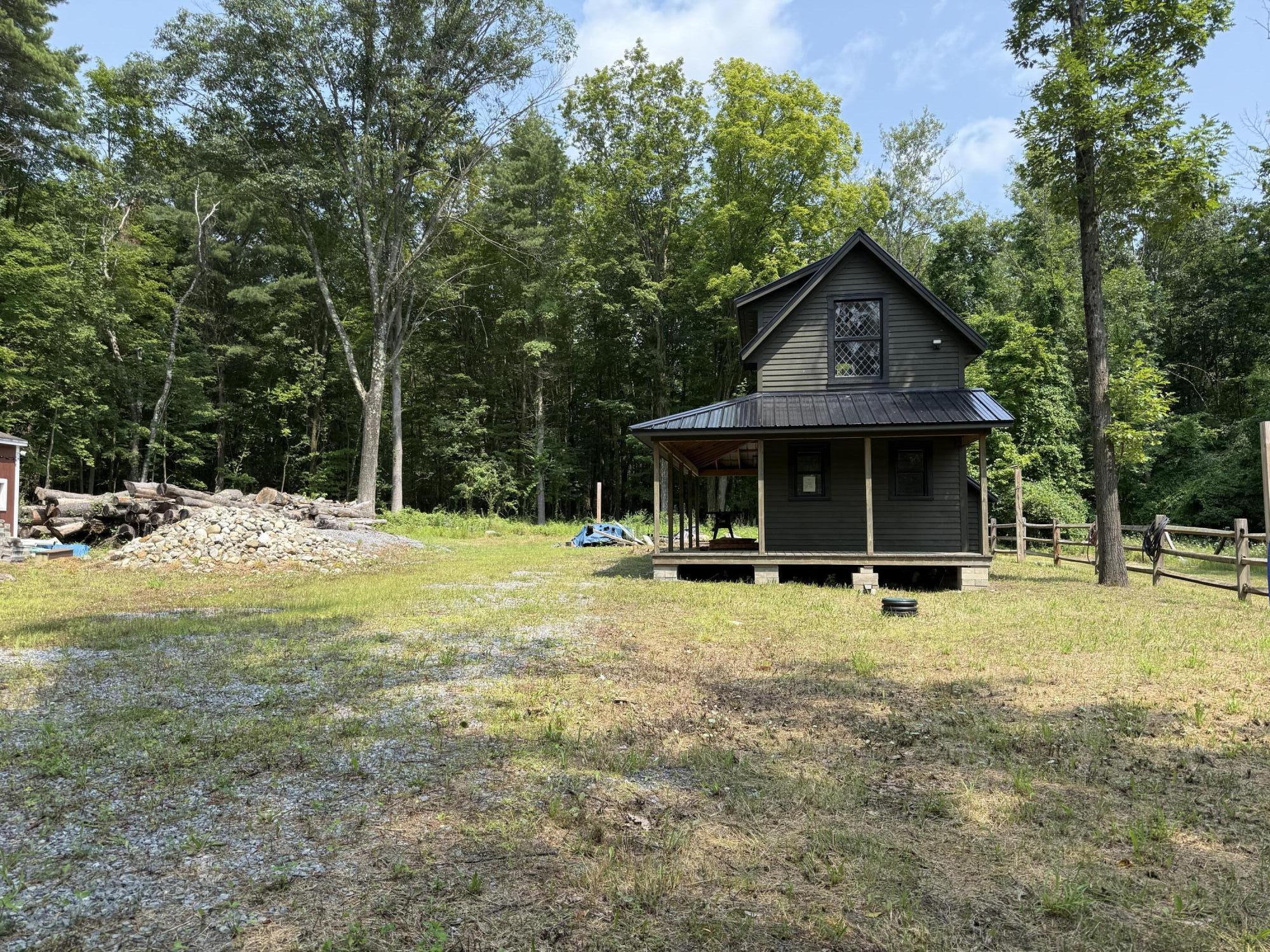
As you walk around the exterior, pay attention to:
- Privacy from neighboring properties
- Overall lot layout
- Terrain and drainage
- Mature trees
- Outdoor gathering areas
- Fire pits
- Trails
- Views
- Noise from nearby roads or boats
- Distance between the camp and waterfront (if applicable)
If you’re interested in additional acreage or a more secluded setting, reviewing available Adirondack land listings can also provide perspective on how different parcels compare throughout the region.
Evaluate the Exterior of the Camp
Once you’ve oriented yourself to the property, begin evaluating the structure itself.
Most buyers don’t need to identify every maintenance item during a showing, but it’s worthwhile to develop a general sense of how well the property has been cared for over time.
Look beyond fresh paint and landscaping. A camp that has received regular maintenance often reveals itself through the condition of its major components.
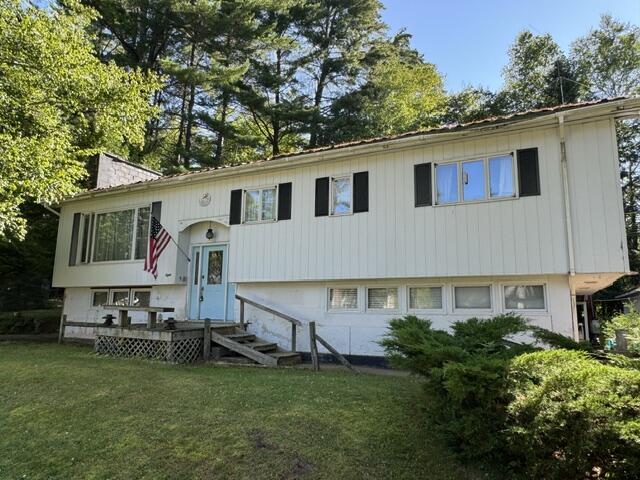
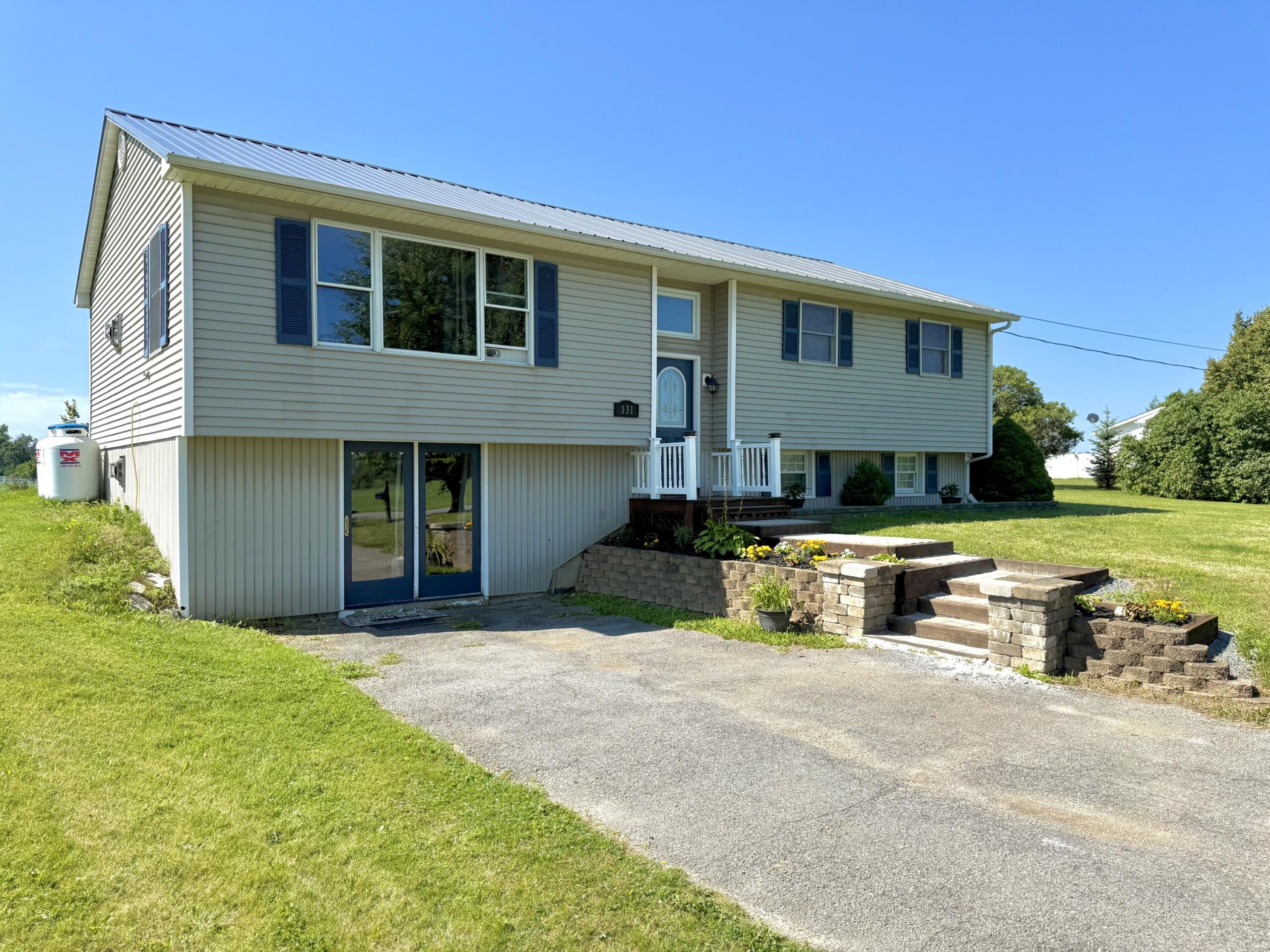
Take time to inspect:
- Roof condition
- Chimney
- Siding and trim
- Windows
- Exterior doors
- Decks and porches
- Stairs and railings
- Gutters
- Foundation (where visible)
- Signs of moisture or settling
Don’t hesitate to walk completely around the building if possible. The rear elevation often reveals details that aren’t visible from the front.
Take Your Time Inside
The interior should be evaluated just as carefully as the exterior.
Rather than moving quickly from room to room, slow down and imagine how you would actually live in the space. Is there enough storage? Does the layout make sense? Does the camp feel bright and comfortable? Are there any odors that immediately stand out?
Many older Adirondack camps have wonderful character, but it’s important to distinguish between rustic charm and deferred maintenance.
As you walk through the home, look for:
- Water stains
- Musty odors
- Uneven floors
- Cracks in walls or ceilings
- Window operation
- Door alignment
- Evidence of recent repairs
- Storage space
- Overall cleanliness and upkeep
Open closets, check corners, and don’t be afraid to look carefully. Most sellers expect serious buyers to evaluate the property thoroughly.
Check the Kitchen and Bathrooms
The kitchen and bathrooms often provide valuable clues about the condition of a camp’s plumbing and overall maintenance.
Turn on faucets if appropriate during the showing. Observe water pressure, drainage, and how quickly hot water becomes available. Flush toilets, inspect around sinks for signs of previous leaks, and look beneath cabinets whenever possible.
While cosmetic updates are relatively straightforward, plumbing issues can become much more involved.
Pay attention to:
- Water pressure
- Drainage speed
- Cabinet condition beneath sinks
- Visible plumbing
- Signs of leaks
- Ventilation
- Appliance condition
- Countertop and cabinet wear
These observations won’t replace a professional inspection, but they may highlight questions worth asking before moving forward.
Ask About the Utilities
Many Adirondack camps rely on private systems that deserve additional discussion during or after the showing.
Rather than trying to inspect these systems yourself, focus on gathering information that can guide later due diligence.
Some helpful questions include:
- Is the property served by a private well?
- When was the well last tested?
- How old is the septic system?
- When was it last pumped?
- What type of heating system is installed?
- Has the electrical service been updated?
- Is there a backup generator?
- What internet service is available?
These conversations often reveal how the property has been maintained over the years and whether additional evaluation may be appropriate.
Evaluate Waterfront Features Carefully
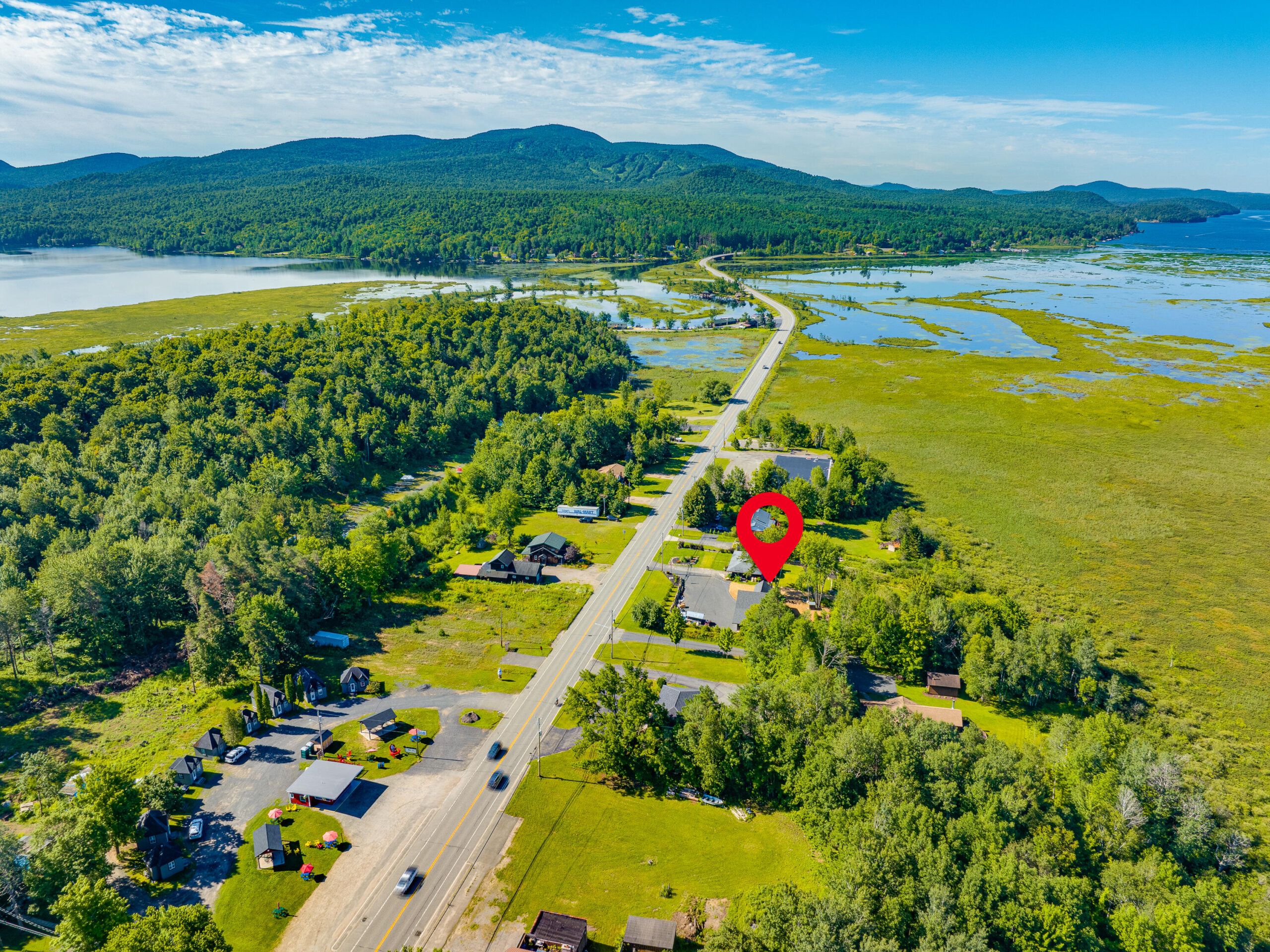
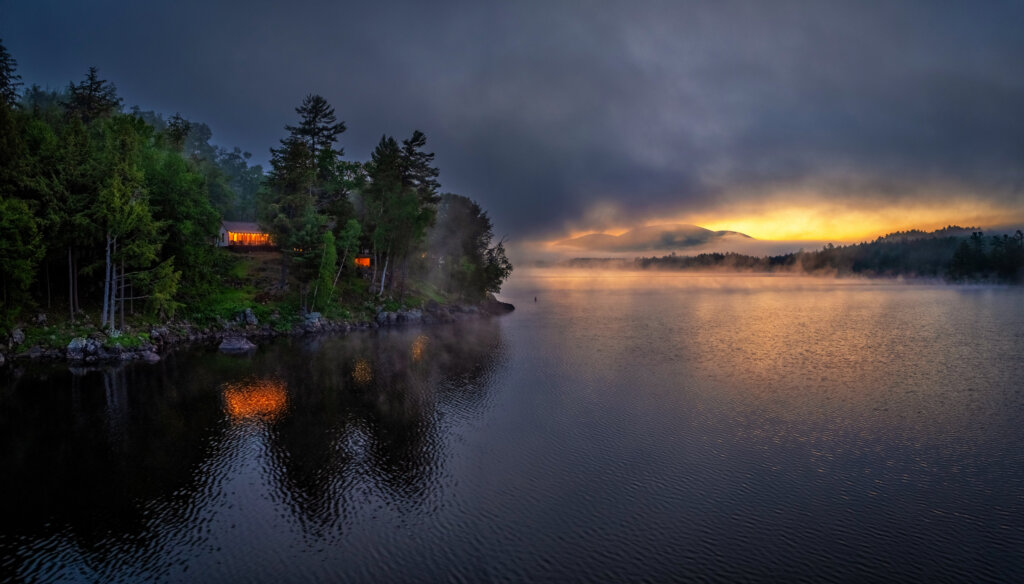
If you’re touring one of the region’s beautiful Adirondack waterfront properties, spend as much time at the shoreline as you do inside the cabin.
Many buyers focus almost exclusively on the view, but practical considerations matter just as much.
Walk to the water if possible and evaluate how you would actually use the shoreline throughout the year.
Look for:
- Ease of shoreline access
- Water depth
- Swimming conditions
- Dock condition
- Boathouse condition (if applicable)
- Shoreline erosion
- Retaining walls
- Boat traffic
- Wind exposure
- Available sunlight
Every lake offers a different experience, so don’t assume that all waterfront properties function the same way.
Consider the Property in Every Season
Most showings occur during pleasant weather.
That makes it easy to forget how dramatically the Adirondacks change throughout the year.
Imagine arriving after six inches of fresh snow. Would the driveway still be manageable? Where would snow be stored? Would guests be able to reach the front entrance comfortably?
Likewise, consider what spring runoff or heavy autumn leaf fall might mean for drainage and maintenance.
Think about:
- Winter access
- Snow removal
- Driveway slope
- Ice around entrances
- Spring drainage
- Summer shade
- Autumn maintenance
- Four-season usability
A property that functions well throughout the year often provides greater flexibility as your needs evolve.
Evaluate the Location Beyond the Property
The camp itself is only one part of the ownership experience.
Before making an offer, spend time driving through the surrounding community. Visit local businesses, explore nearby recreation, and get a sense of what everyday life might feel like.
Some buyers enjoy being close to restaurants, shopping, and year-round events, while others prefer a more remote setting.
The Adirondacks offer remarkable variety. Whether you’re considering Lake Placid, Saranac Lake, Tupper Lake, or another community, spending additional time in the area can help confirm that it fits your lifestyle.
You can also compare communities by exploring the Merrill L. Thomas guide to Adirondack towns.
Questions to Ask Before You Leave
A showing is an excellent opportunity to gather information while the details are fresh.
Not every question needs an immediate answer, but thoughtful conversations can help you decide whether to continue pursuing the property.
Consider asking:
- How long has the property been owned?
- Why is it being sold?
- When was the roof replaced?
- How old are the well and septic systems?
- Are there any known maintenance concerns?
- Is the road publicly or privately maintained?
- Are there shared driveways or easements?
- Has the property ever experienced flooding?
- What internet providers serve the area?
- What improvements have been completed recently?
These questions often generate valuable context that isn’t always included in the listing.
Don’t Forget to Trust Your Impressions
Before getting back in your vehicle, spend another few quiet minutes outside.
Imagine arriving after work on a Friday evening. Picture yourself spending a week there with family. Think about rainy days, snowy mornings, and quiet autumn weekends.
Sometimes a property checks every box on paper but simply doesn’t feel right. Other times, a camp with a few cosmetic imperfections immediately feels like home.
While objective evaluation is essential, your emotional response matters too. The goal is to find a property that fits both your practical needs and the lifestyle you’ve imagined.
After the Showing
One of the biggest mistakes buyers make is waiting until later to compare properties.
Instead, take five minutes immediately after each showing to write down your impressions while they’re still fresh.
Record:
- Your favorite features
- Potential concerns
- Questions that still need answers
- Approximate future improvements
- Overall condition
- Privacy
- Waterfront quality (if applicable)
- Your overall impression
These notes become incredibly valuable once you’ve toured several camps.
A Careful Showing Leads to Better Decisions
No showing can replace professional inspections, surveys, water testing, or other due diligence. However, approaching each property with a consistent checklist allows you to compare camps more objectively and identify the ones that deserve a closer look.
By slowing down, asking thoughtful questions, and paying attention to both the property and its surroundings, you’ll be much better prepared to make a confident decision when the right opportunity comes along.
When you’re ready to continue your search, browse the latest Adirondack cabins and camps for sale or explore available waterfront homes and camps throughout the Adirondacks. If you’d like guidance evaluating properties or narrowing your search, the experienced team at Merrill L. Thomas, Inc. is here to help.
Related Topics:
Camps & Cabins