Nicholas Politi
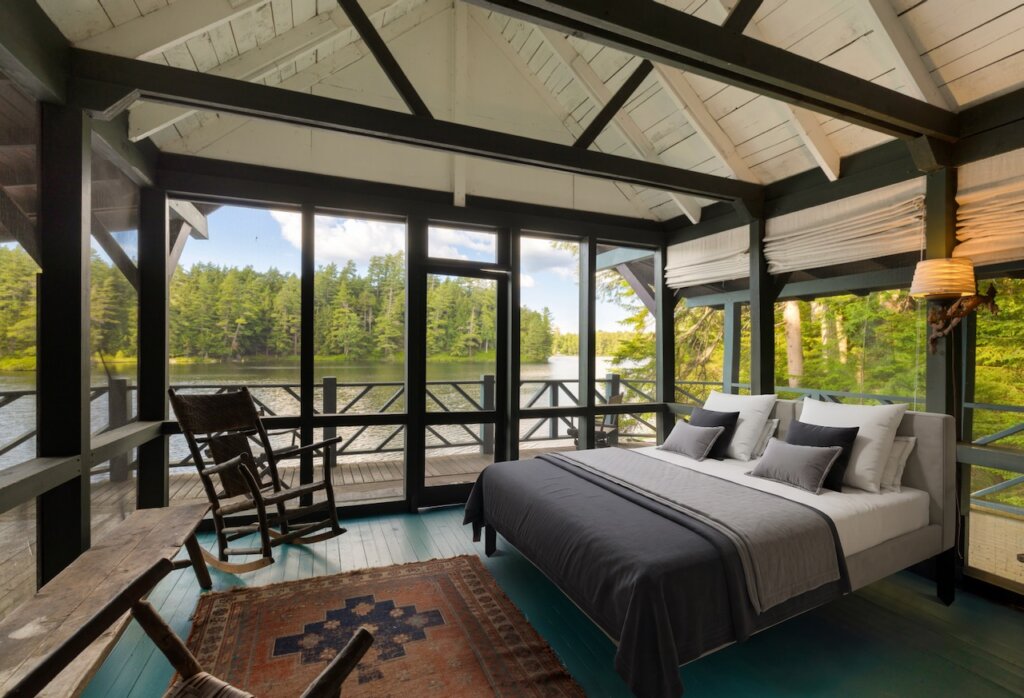
The recent sale of Pine Point Lodge on Upper St. Regis Lake offers a compelling reminder that truly distinctive Adirondack properties do not always follow conventional market patterns.
Pine Point Lodge was listed on July 14, 2026, for $2,600,000 and closed just 30 days later for $3,355,000—$755,000, or approximately 29 percent, above the asking price.
The result speaks not only to the strength of the property, but also to the continued demand for authentic Adirondack camps with exceptional land, waterfront and architectural character.
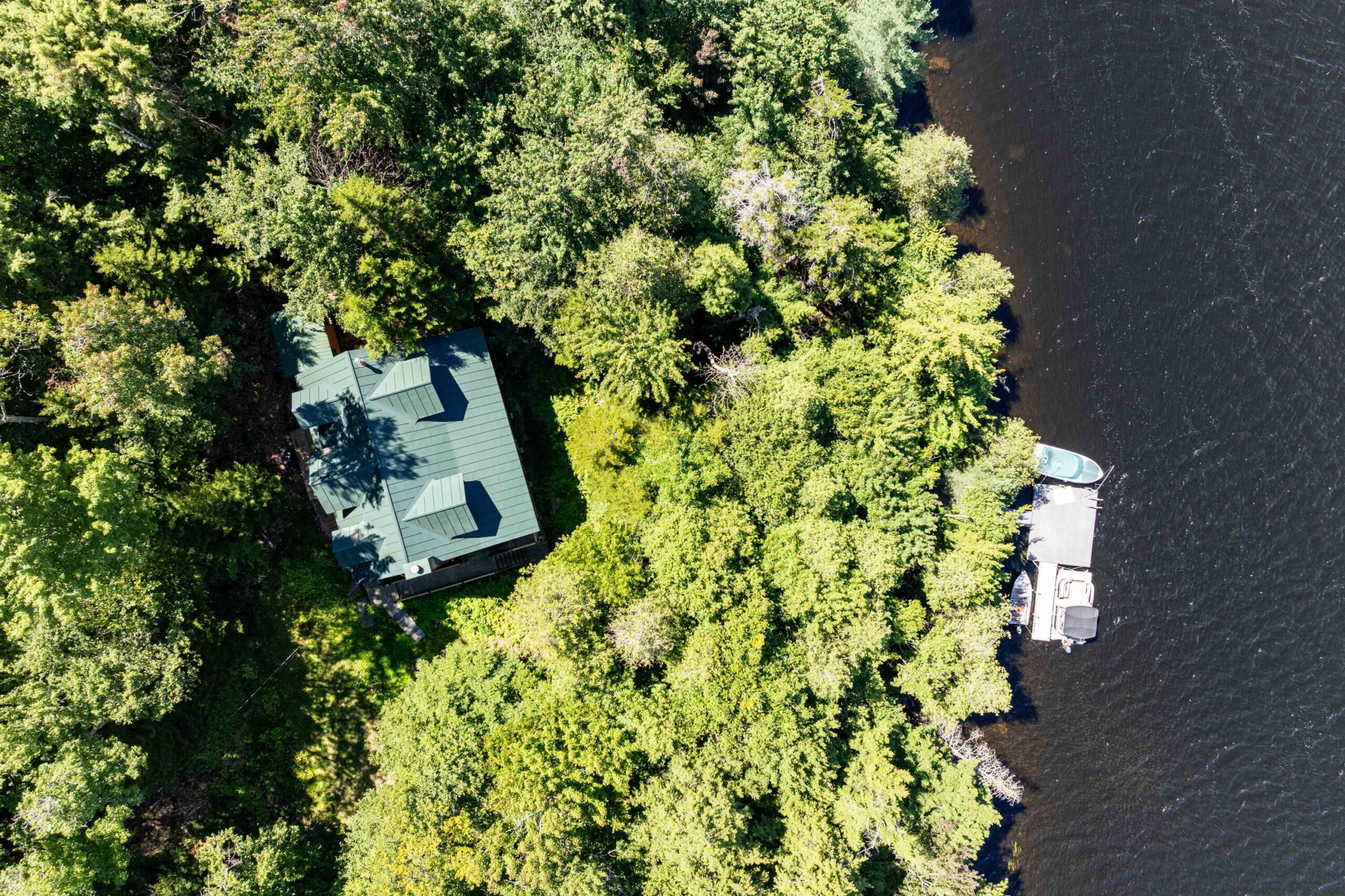
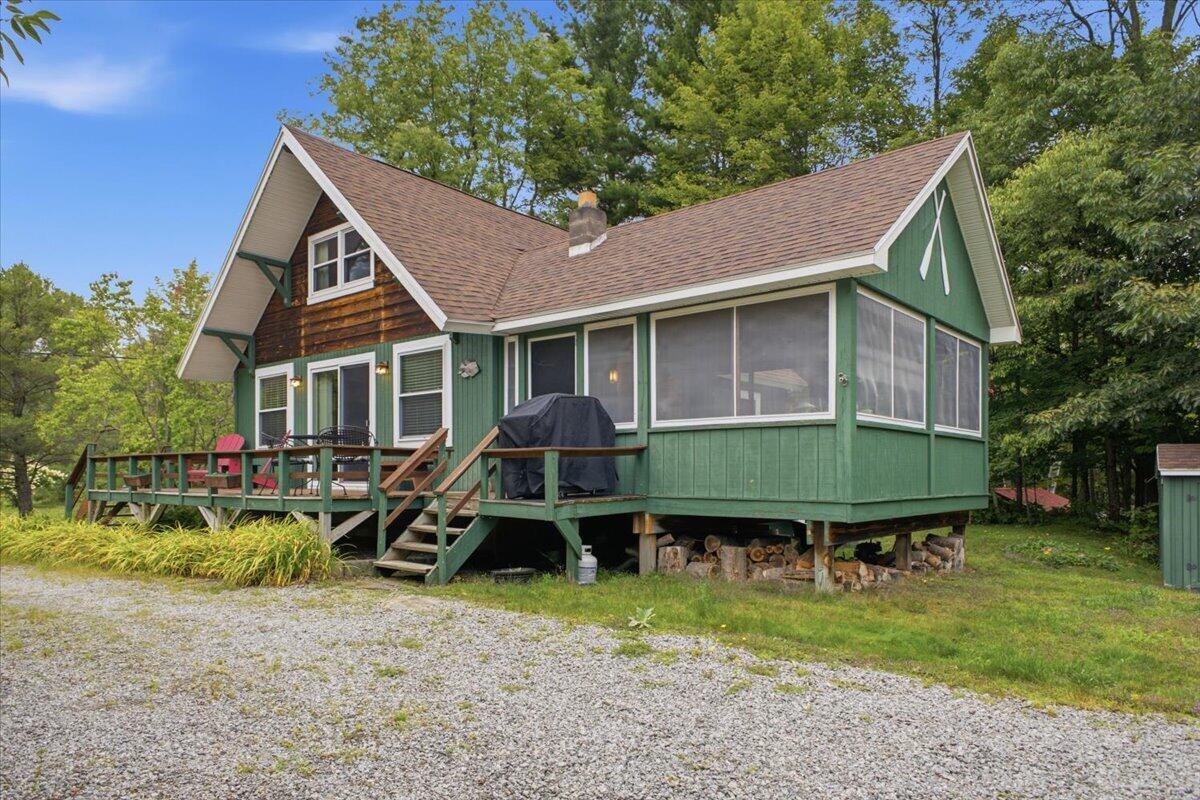
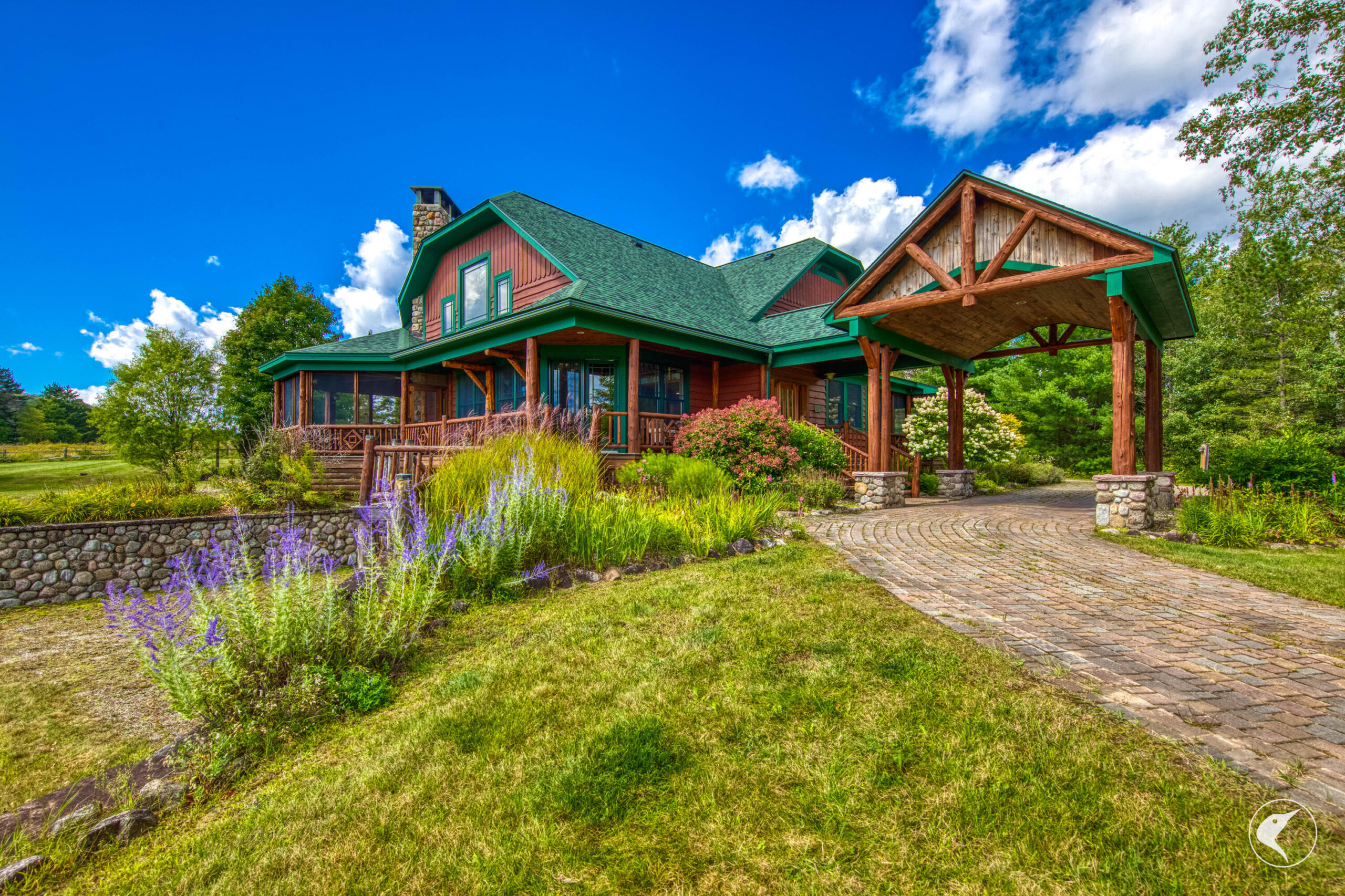
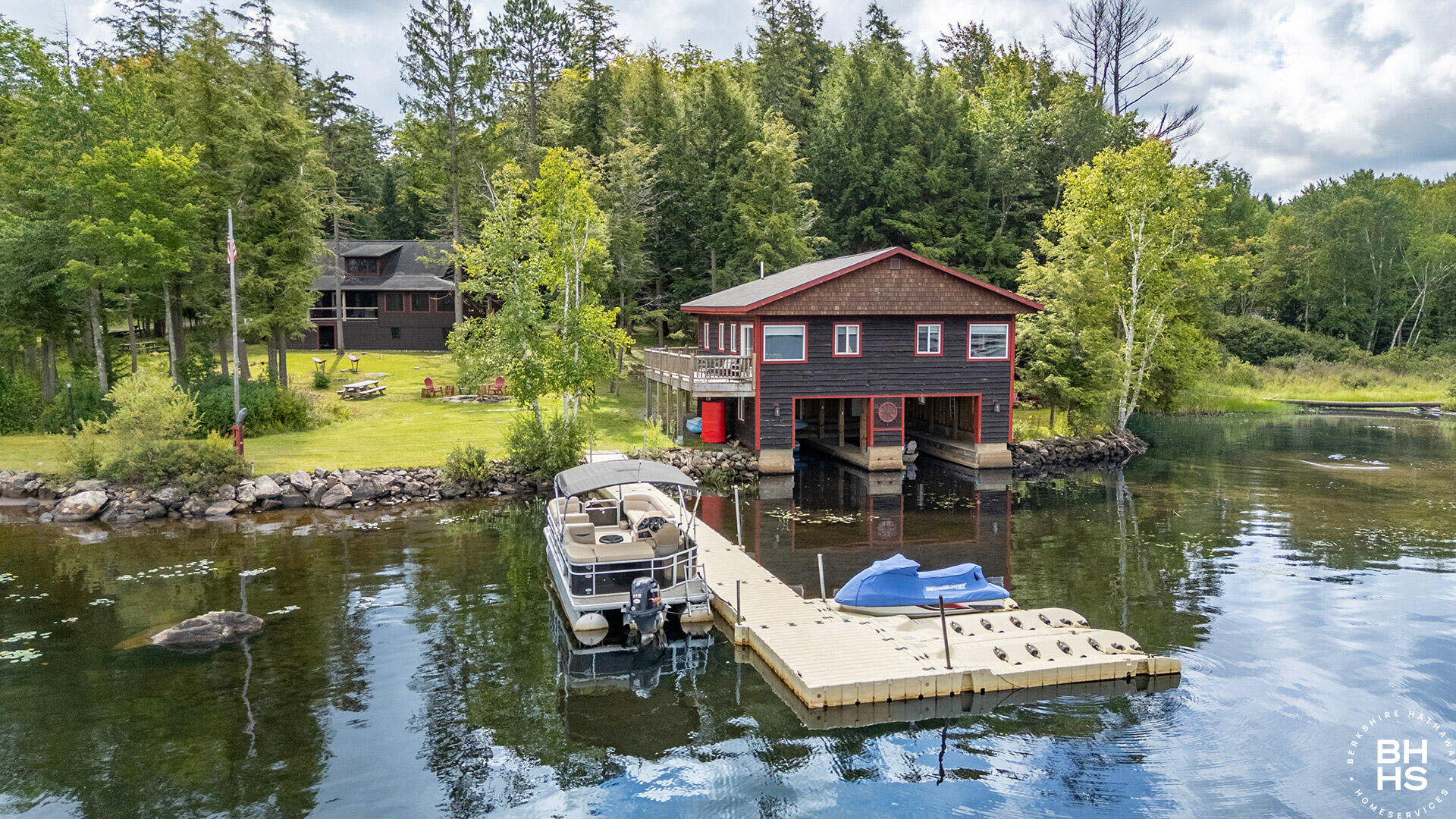
Built in 1904, Pine Point Lodge is an original seasonal Adirondack camp with a design attributed to a member of the Louis Comfort Tiffany family. The property includes seven bedrooms, five bathrooms and approximately 4,400 square feet of living space. Its 12.75-acre setting encompasses roughly 1,330 feet of shoreline on Upper St. Regis Lake, providing a degree of privacy that is increasingly difficult to replicate.
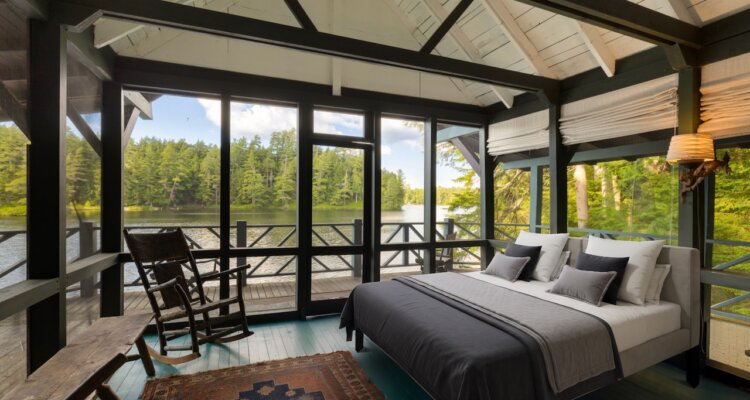
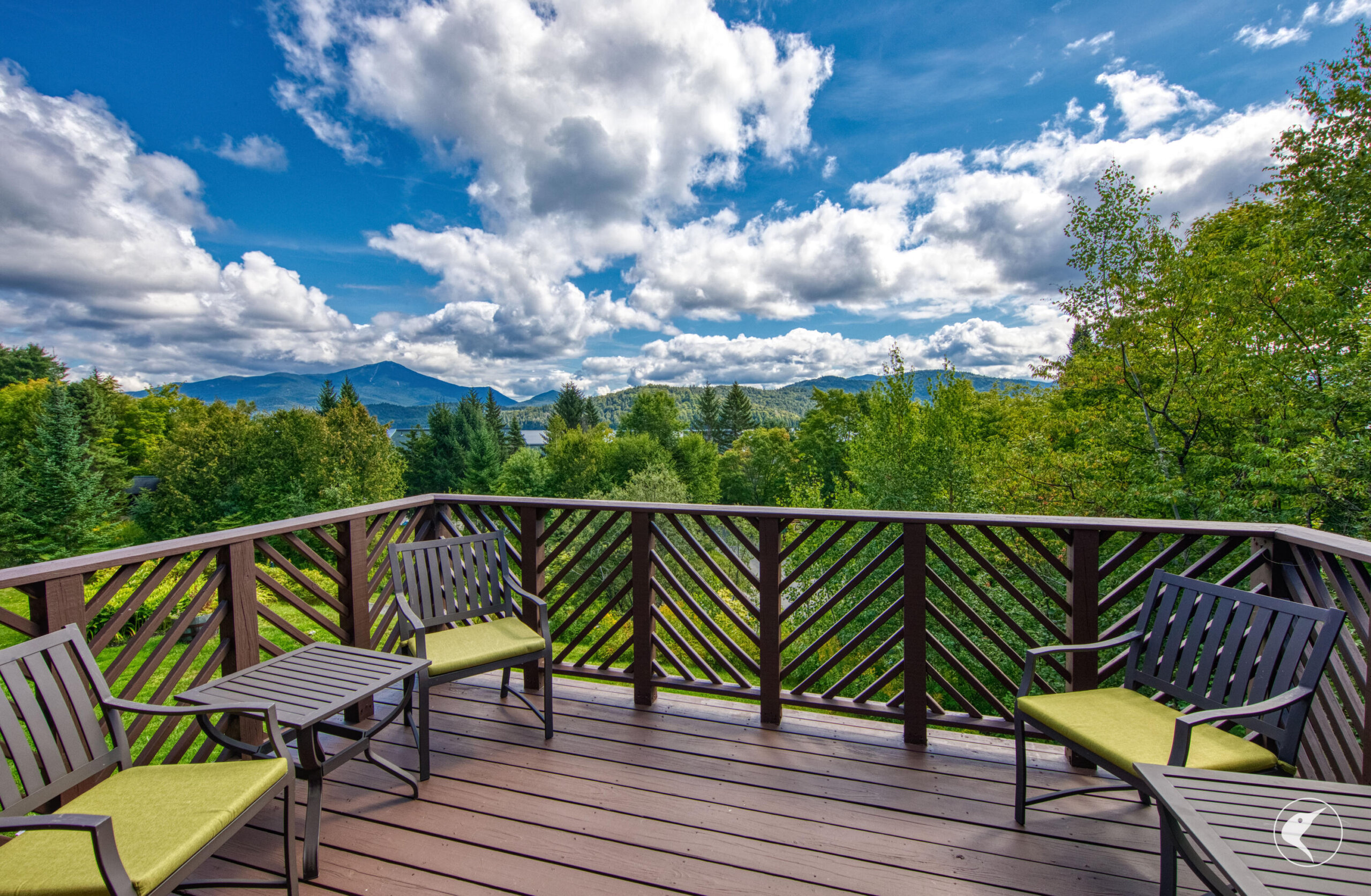
The waterfront improvements are equally significant. Pine Point Lodge includes two boathouses with three slips, along with a bedroom suite, sleeping porch and balcony positioned above one of the boathouses. The combination of historic architecture, extensive shoreline, mountain and lake views, multiple waterfront structures and a private bay created an offering with few direct substitutes.
Why This Sale Matters
At approximately $762 per square foot, the sale may appear to establish a straightforward new price benchmark. However, Great Camps and legacy Adirondack estates cannot be valued solely by dividing the purchase price by the home’s finished living area.
A substantial portion of Pine Point Lodge’s value is attributable to its acreage, extraordinary shoreline, historic character, boathouses, privacy and location on one of the Adirondacks’ most prestigious lakes. Those features are few and far between and, in many cases, cannot be reproduced under today’s regulatory environment.
The sale is therefore most relevant to other intact historic camps and larger waterfront compounds rather than ordinary lakefront residences. It demonstrates that buyers remain willing to compete aggressively when a property offers genuine scarcity and a strong sense of place.
It also illustrates an important distinction within the current Adirondack market. Buyers may be cautious when evaluating conventional homes that require significant renovation, but they can respond very differently to a rare legacy property. Authenticity, privacy, usable waterfront and well-preserved architectural character can outweigh concerns associated with age, seasonal use or boat access.
A Market Defined by Scarcity
There are only a limited number of original camps remaining on Upper St. Regis Lake, and even fewer combine substantial acreage, extensive frontage and multiple boathouses. When one of these properties becomes available, its value is determined as much by scarcity and emotional appeal as by traditional comparable-sale analysis.
The Pine Point Lodge transaction does not mean every Adirondack waterfront property is suddenly worth substantially more. Rather, it confirms that the upper end of the market remains highly selective. Exceptional properties can command exceptional results, while more conventional or compromised offerings must still be carefully positioned.
For sellers, the sale reinforces the importance of understanding which characteristics truly differentiate a property. For buyers, it demonstrates that waiting for a price reduction may not be a successful strategy when an irreplaceable camp enters the market.
Pine Point Lodge ultimately sold for more than its asking price because the market recognized something that could not easily be duplicated: an authentic Adirondack camp, more than a quarter-mile of shoreline, meaningful privacy and a historic Upper St. Regis Lake setting.